

Beyond Compliance: How School Culture Shapes Safety
February 12, 2026
Every parent wants their child to feel safe at school. We picture secure buildings, attentive teachers, and clear expectations — and of course those matter. But for students, safety goes far deeper than physical security or procedural rules. It extends into the relationships children form with the adults and students around them, the sense of belonging they feel in the school community, and the emotional well-being that comes from being known and respected. True safety is lived daily, not just written into policy.
Why Relationships at School Matter for Safety and Well-Being
Research consistently shows that the strongest predictor of whether students feel safe at school is the quality of their relationships — with teachers and with peers.
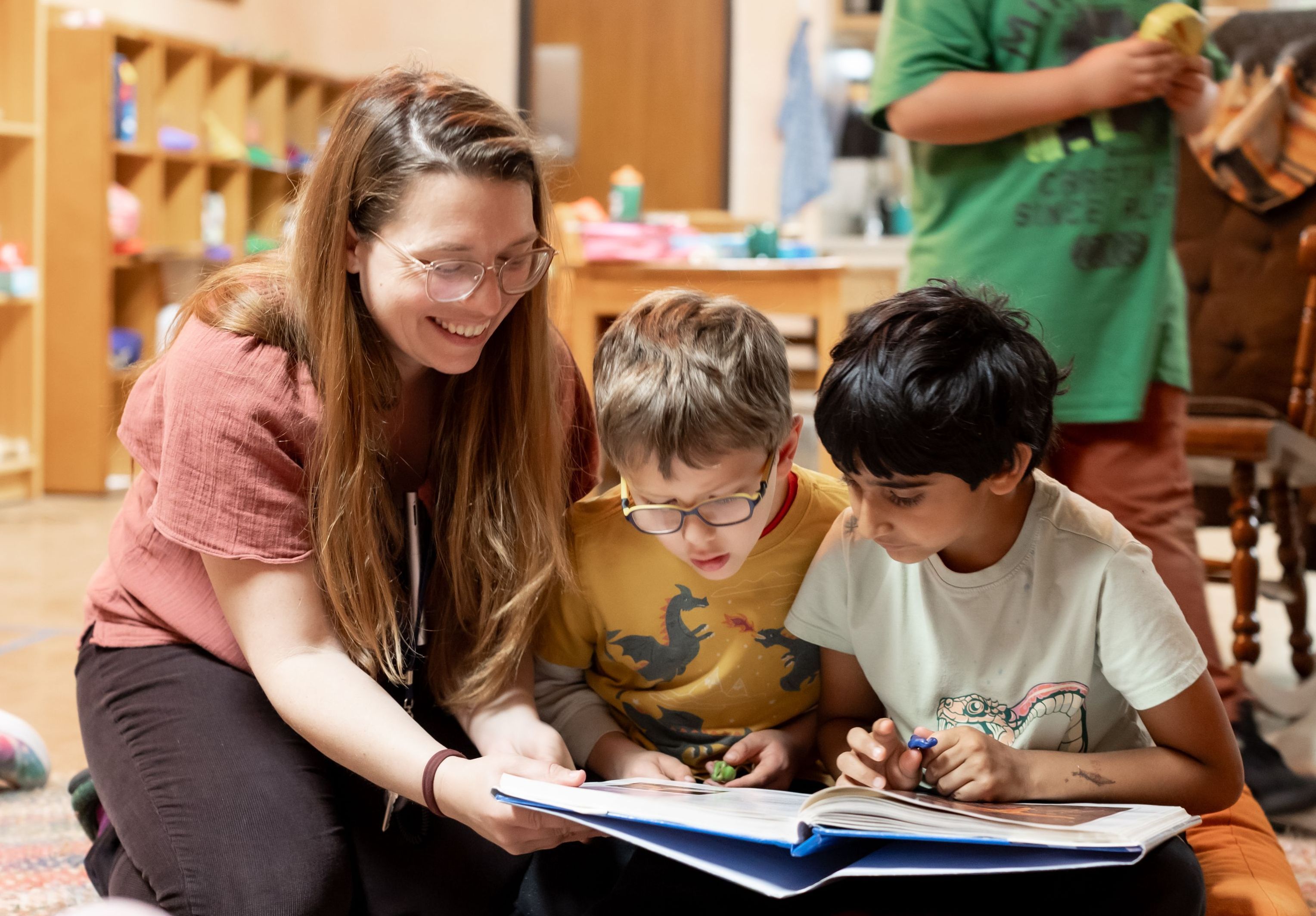
Students who experience consistent adult support and positive peer connections report feeling safer, more respected, and more emotionally secure, even when challenges arise. Feeling known and supported acts as a powerful buffer against anxiety, isolation, and fear. Students who feel connected to their school are also more likely to attend regularly, engage academically, and take healthy social and emotional risks.
When students talk about safety, they rarely describe policies first. They describe people. A teacher who notices when they are struggling. A classmate who looks out for them. A culture where asking for help does not feel like failure.
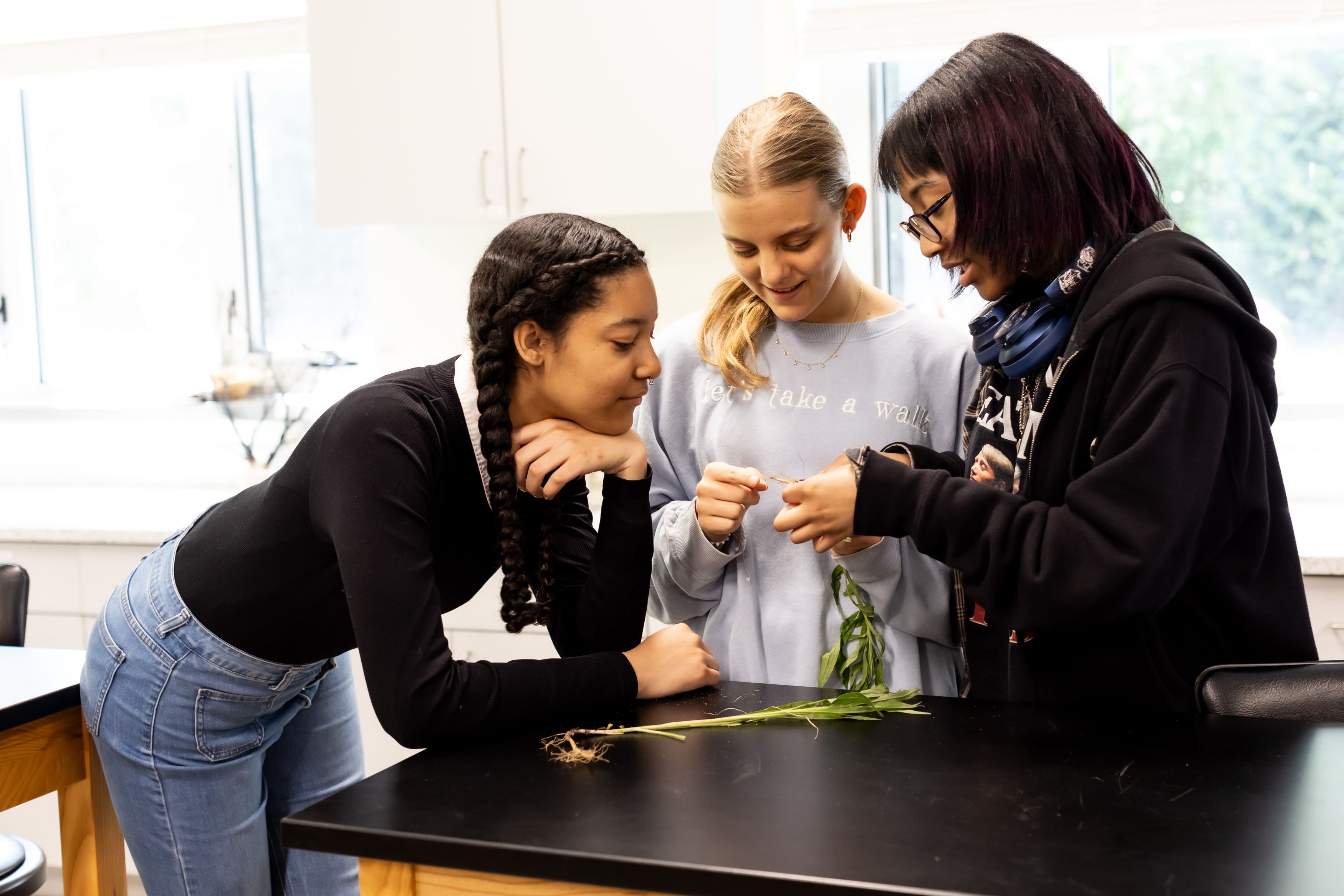
A classroom where a teacher knows a student’s strengths and challenges communicates care and dignity. A peer culture that encourages accountability and empathy builds belonging. A school that allows students age-appropriate independence signals confidence in their growing judgment.
These relationship qualities are just as essential as any written policy. They shape whether children enjoy going to school, take risks to learn and grow, and feel secure reaching out when something doesn’t feel right.
What This Means for Families Choosing a School
For parents choosing where to entrust their children’s education and care, it can help to look beyond test scores and facilities and ask deeper questions about school culture.
Do adults have the time and intention to truly know their students?
Are students encouraged to advocate for themselves in developmentally appropriate ways?
Is safety understood as emotional and social well-being, not just compliance?
These questions often reveal more than any checklist.
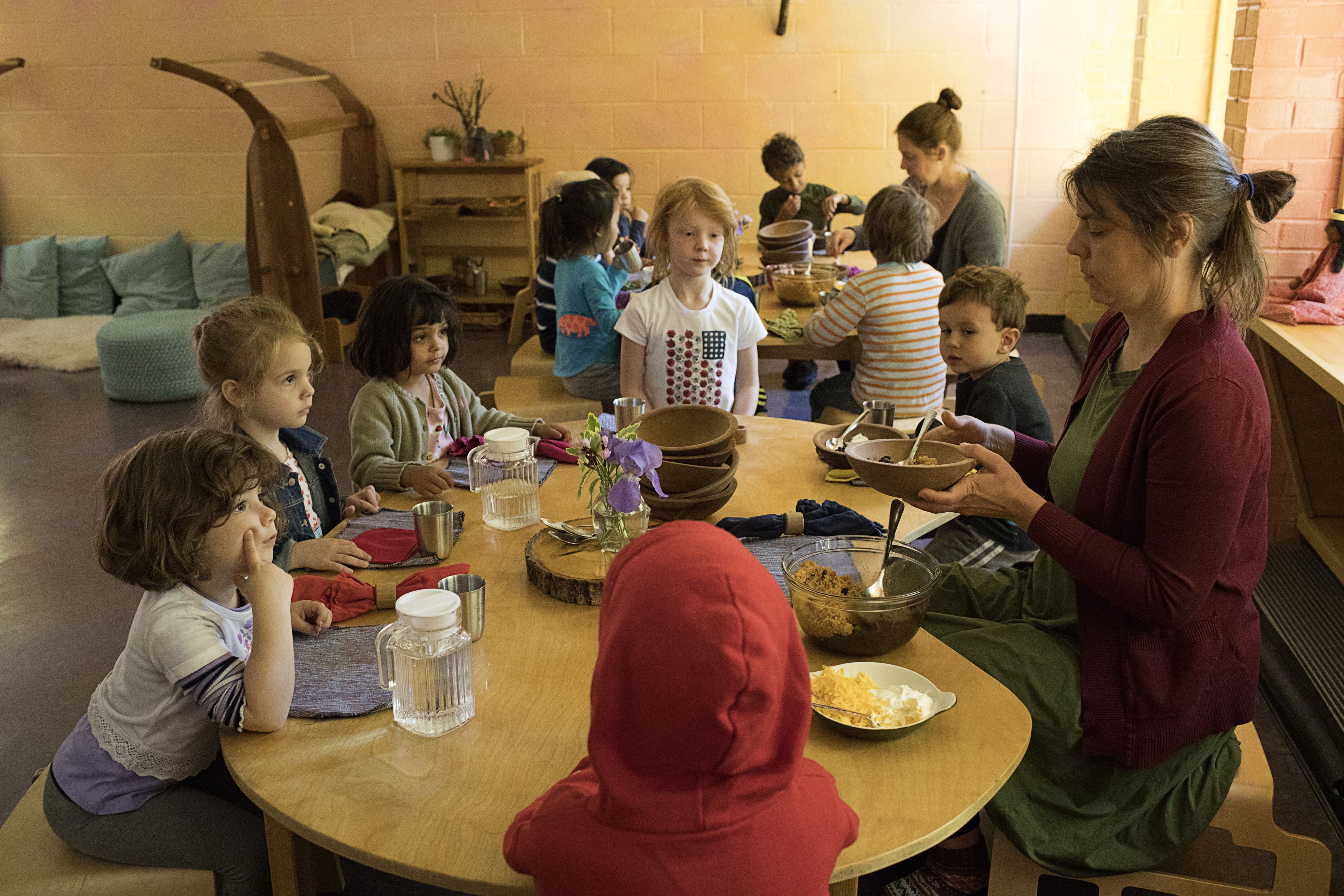
At Waldorf schools, this broader understanding of safety is woven into daily life. Teachers stay with classes for multiple years, allowing trust to develop over time. Students learn within stable peer groups, collaborate across age levels, and practice resolving conflicts with guidance rather than punishment.
A Safety Families Can Feel and Share
Many parents do not realize how distinctive this experience is until they hear what children elsewhere might be navigating. When students feel trusted, supported, and known, school becomes a place where they can focus on learning rather than managing stress or fear.
That sense of safety is not flashy. But it is deeply felt – and deeply formative. For families seeking a school where children grow with confidence, compassion, and independence, it often makes all the difference.
Sources and Further Reading
The research referenced above draws from multiple studies on school climate, student connectedness, and emotional safety, including:
• Relationships Matter: The Protective Role of Teacher and Peer Support (National Institute of Justice)
https://nij.ojp.gov/library/publications/relationships-matter-protective-role-teacher-and-peer-support-understanding
• Components of a Positive School Environment (youth.gov / National Center on Safe Supportive Learning Environments)
https://youth.gov/youth-topics/school-environment/components
• School Climate and Adolescent Mental Health (BMC Public Health, 2024)
https://link.springer.com/article/10.1186/s12889-024-21268-0
• Students’ Perspectives on Safety and Belonging (Child & Youth Care Forum)
https://link.springer.com/article/10.1007/s13384-022-00567-8