

Student Support
At RSSAA, we are committed to helping every student reach their highest potential at school. In line with our whole-child approach to education, we assess and support students in a holistic way, encouraging their healthy social, emotional, cognitive, and physical development.
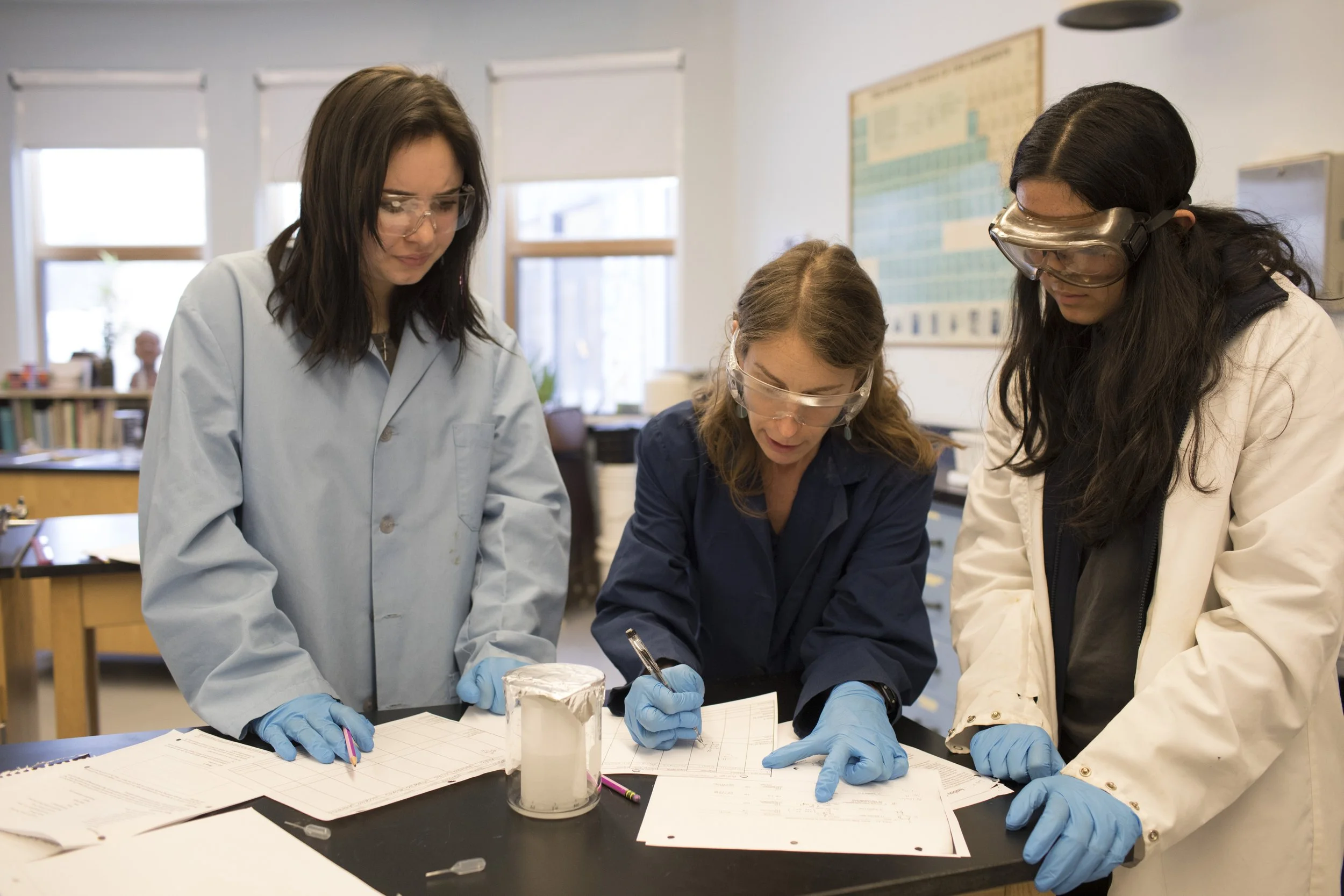

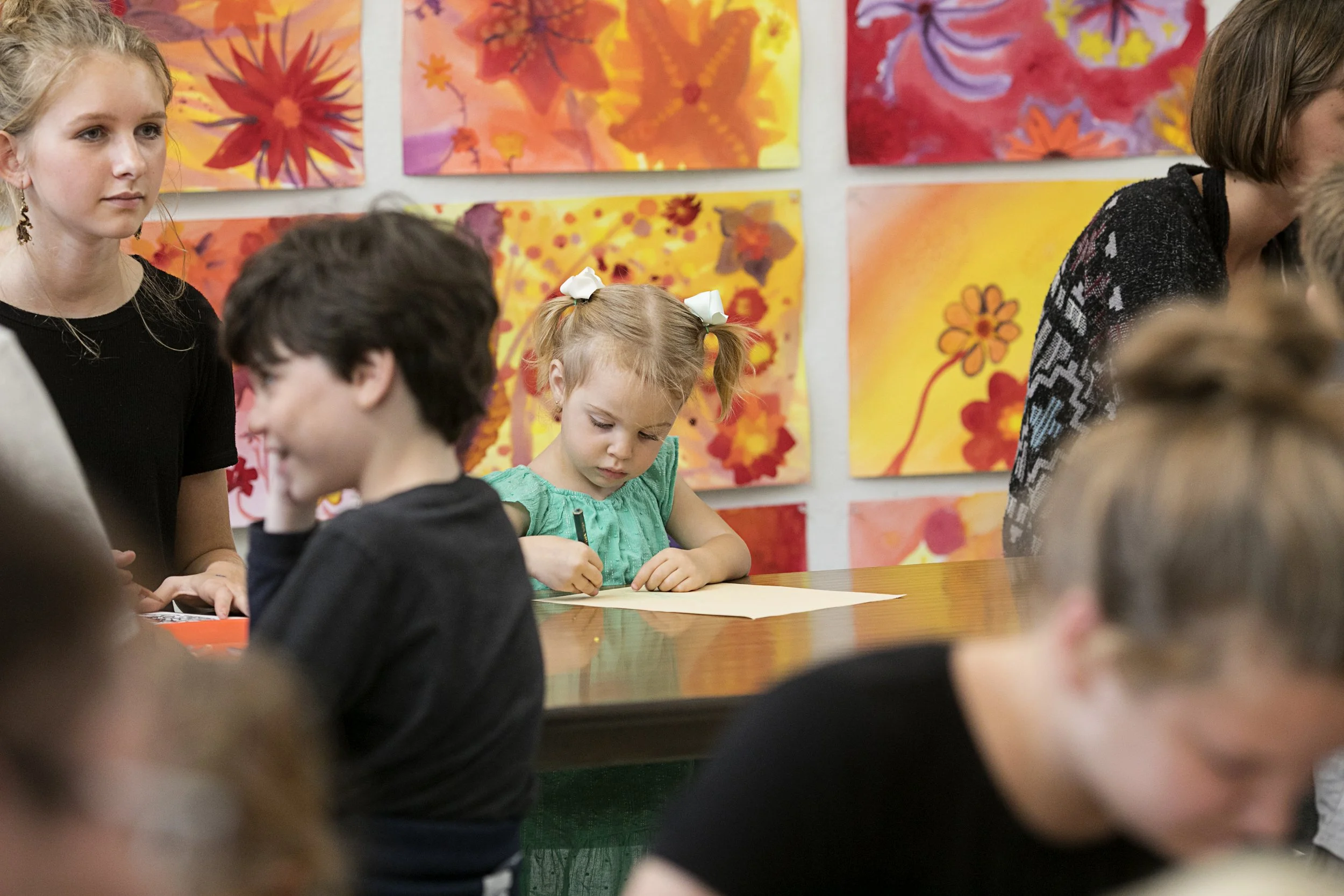
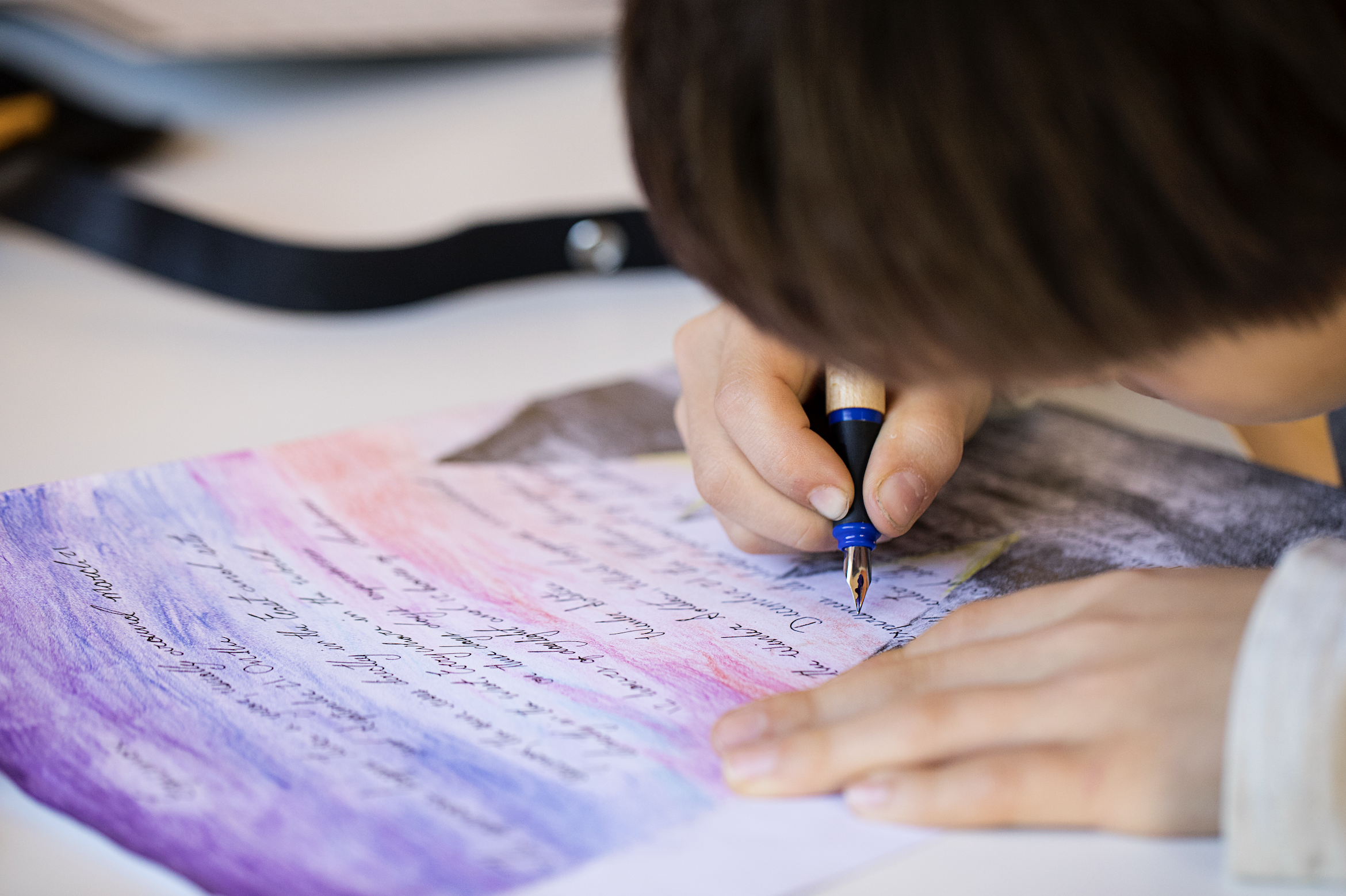
In addition to the academic and social support inherent to our program, our full-time student support coordinator oversees a comprehensive care and support program. We provide support in three interrelated streams.
Learning Support encompasses academic subjects and related skills, and providing the accommodations needed to support growth in these areas.
Social Support applies to a student’s social relationships with peers, as well as their sense of responsibility and belonging within our school and the greater community.
Behavioral Support is needed when children are pushing or exceeding the school’s behavioral boundaries, which is often related to challenges in the other care streams.
Experiencing challenges—academic, behavioral, or social—is common in childhood. When addressed with compassion and understanding, challenges can be meaningful opportunities for growth.
Learn more about how we support students at each grade level.
Assessing Student Needs
One of the strengths of RSSAA is the close relationships between faculty and students. With uniformly small class sizes and a close-knit school community, our teachers continuously observe and collaborate with support staff to ensure they are developing appropriate skills at each grade level. In addition, we administer periodic screenings and skills assessments throughout grades K-8 to ensure students are meeting important milestones.
In the case that a student is experiencing persistent challenges, our Care Coordinating Group, a special faculty committee, works in collaboration with the child’s teachers and parents to understand and address the child’s specific learning, behavioral, or social needs through careful observation and discussion.
Accommodation Plans
Our student support coordinator is qualified to write accommodation plans for elementary, middle, and high school students, as needed. Our student support coordinator also oversees communications with public school personnel for students with documented disabilities, and yearly Non-Public Service Plans. When the need of a student exceeds our current resources, we work with families to find the best way forward, which could include supporting a transition to a program that can more successfully support the child.
Communication With Families
At RSSAA, education is a partnership between school and families. We encourage parents to take an active role in their children’s education and promote open communication between our team and our families. If a child is experiencing academic, social, or behavioral challenges, our care team will work directly with parents to make recommendations and extend appropriate support.