Welcoming the Anthroposophical Society of America to the StoneHouse
and a remarkable afternoon of storytelling, photographs, laughter, and rediscovery
By The Steiner School of Ann Arbor
Anthroposophy, which translates roughly to “wisdom of the human being,” grew out of the work of Rudolf Steiner, scientist and philosopher. For those less familiar with Anthroposophy, it is the broader cultural and philosophical movement that also gave rise to Waldorf education, biodynamic agriculture, and anthroposophical medicine.
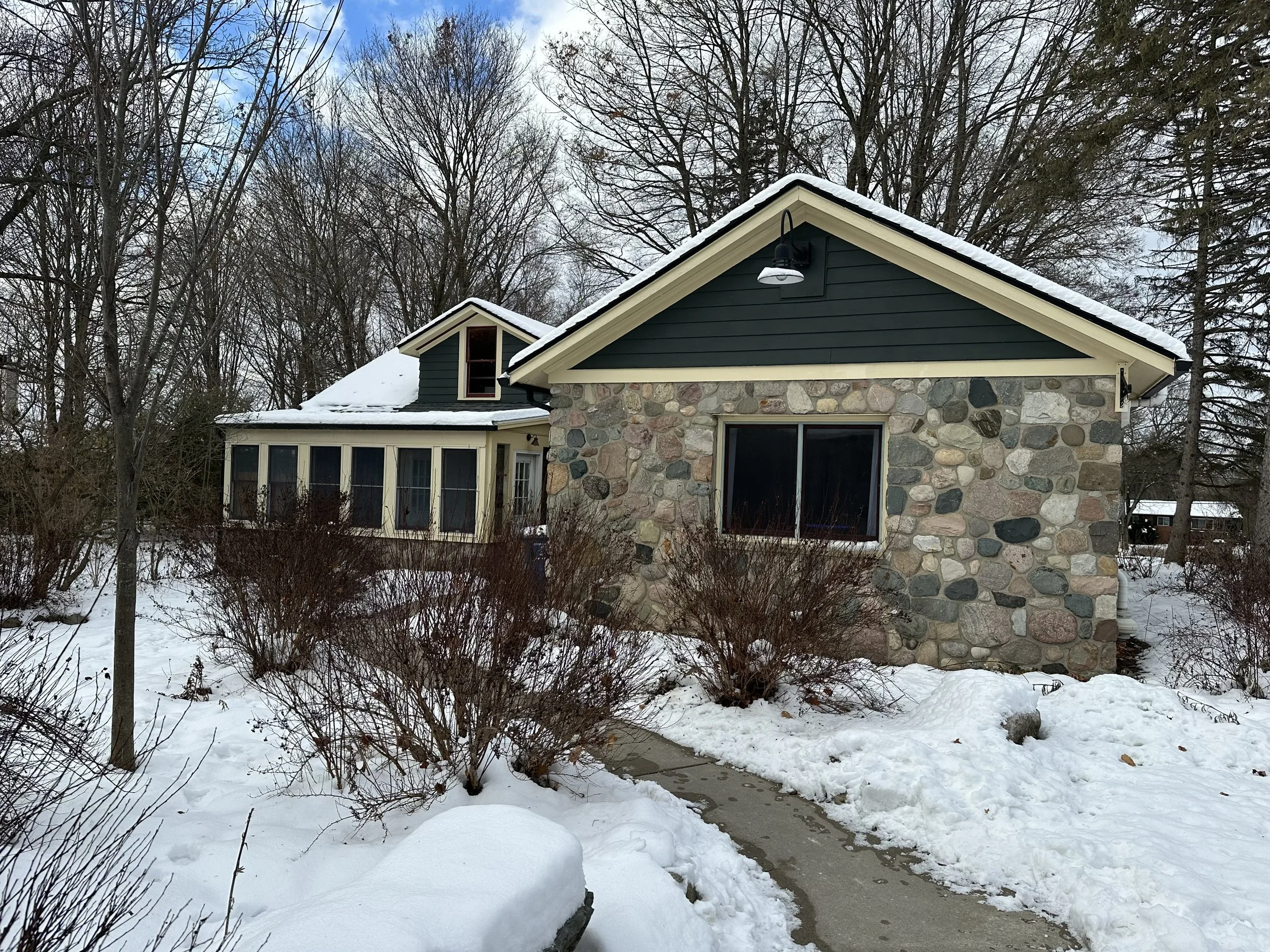
The StoneHouse
The StoneHouse was built by the Moehrle family, whose story is deeply interwoven with the history of RSSAA’s campus. The Moehrles operated a machinery factory that once occupied the building that now serves as the Steiner School of Ann Arbor High School. Historic photographs of the machinery that once filled the building still hang in the high school’s Science Lab today, offering students a glimpse into the site's industrial past and the family's contribution to the Ann Arbor community.
Built in 1938, the StoneHouse has been a cherished part of the campus landscape for generations. The house was constructed using materials gathered from the local land, reflecting a strong ethic of craftsmanship, care, and connection to place. Members of the Moehrle family maintained a lasting connection to the property throughout its history and eventual transition to the Rudolf Steiner School. Their legacy remains visible in the stonework, architecture, and enduring sense of stewardship that characterize the site today.
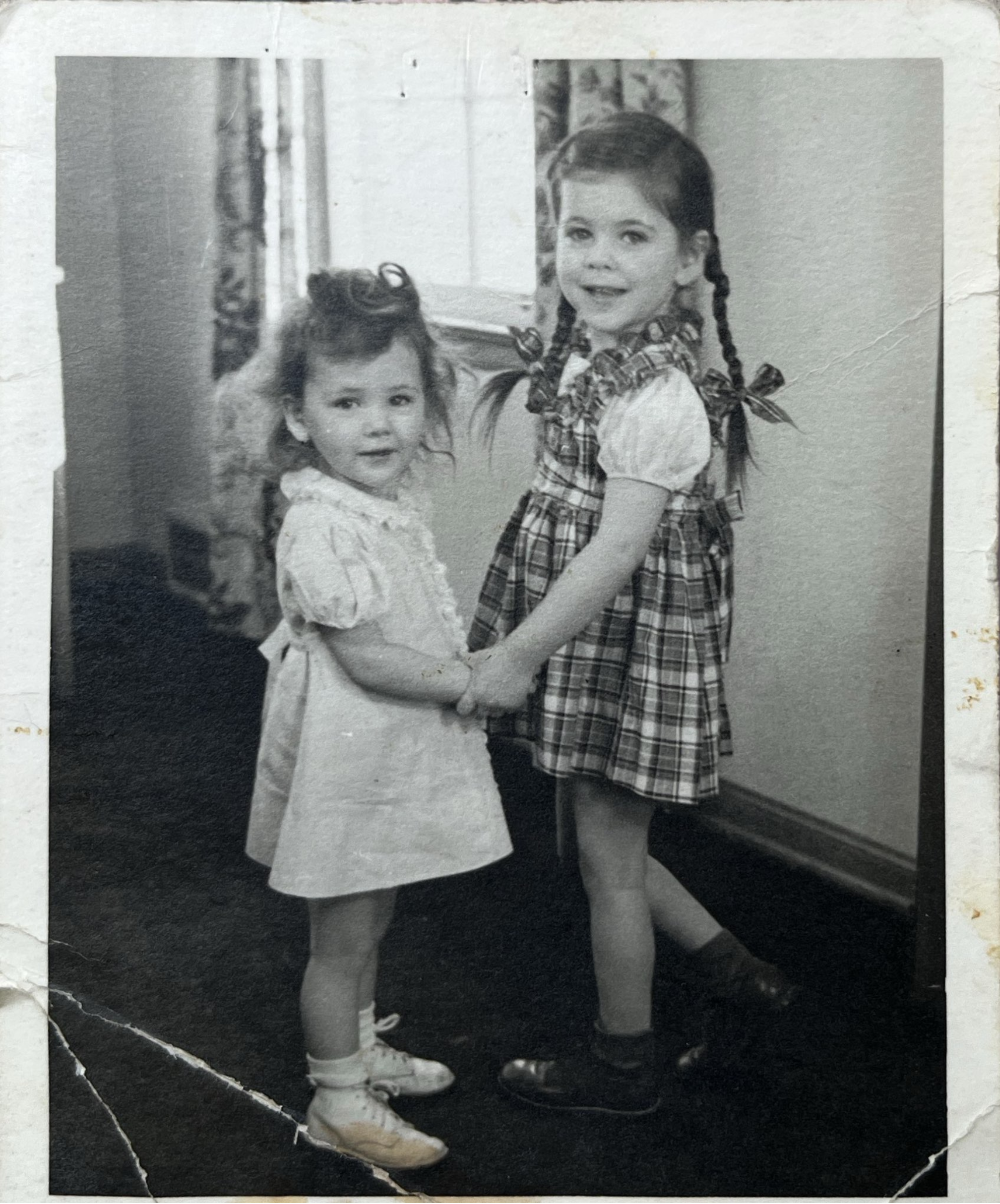
The FrameHouse
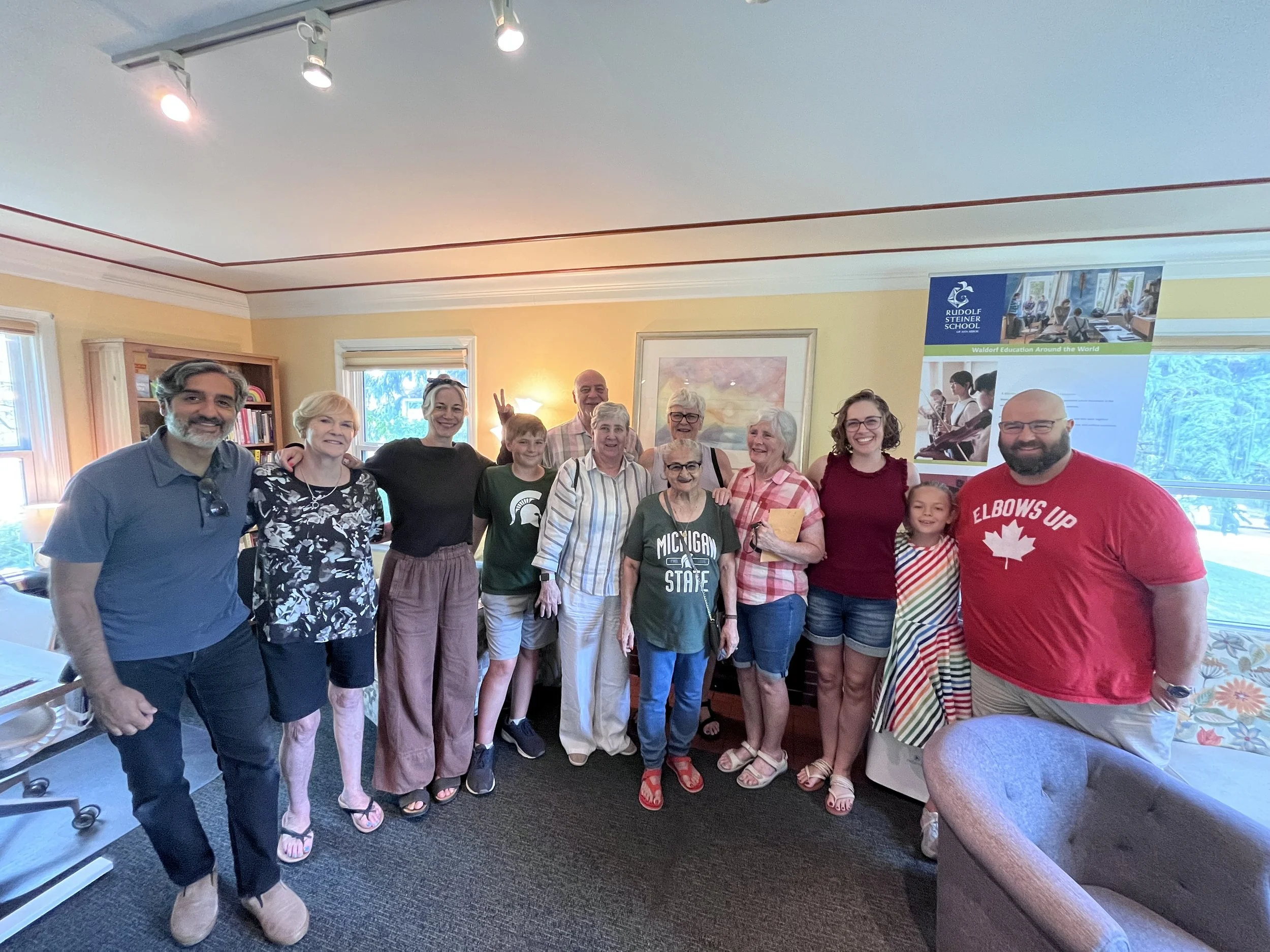
Just across the road stood the FrameHouse, where another Ann Arbor family, the Burkes, raised their ten children. Recently, RSSAA School Administrator Blair Picone received a call from one of the Burke grandchildren, who explained that the family would be gathering in Ann Arbor for a reunion and wondered if it might be possible to visit the home where so many family memories began. What followed was a remarkable afternoon of storytelling, photographs, laughter, and rediscovery.
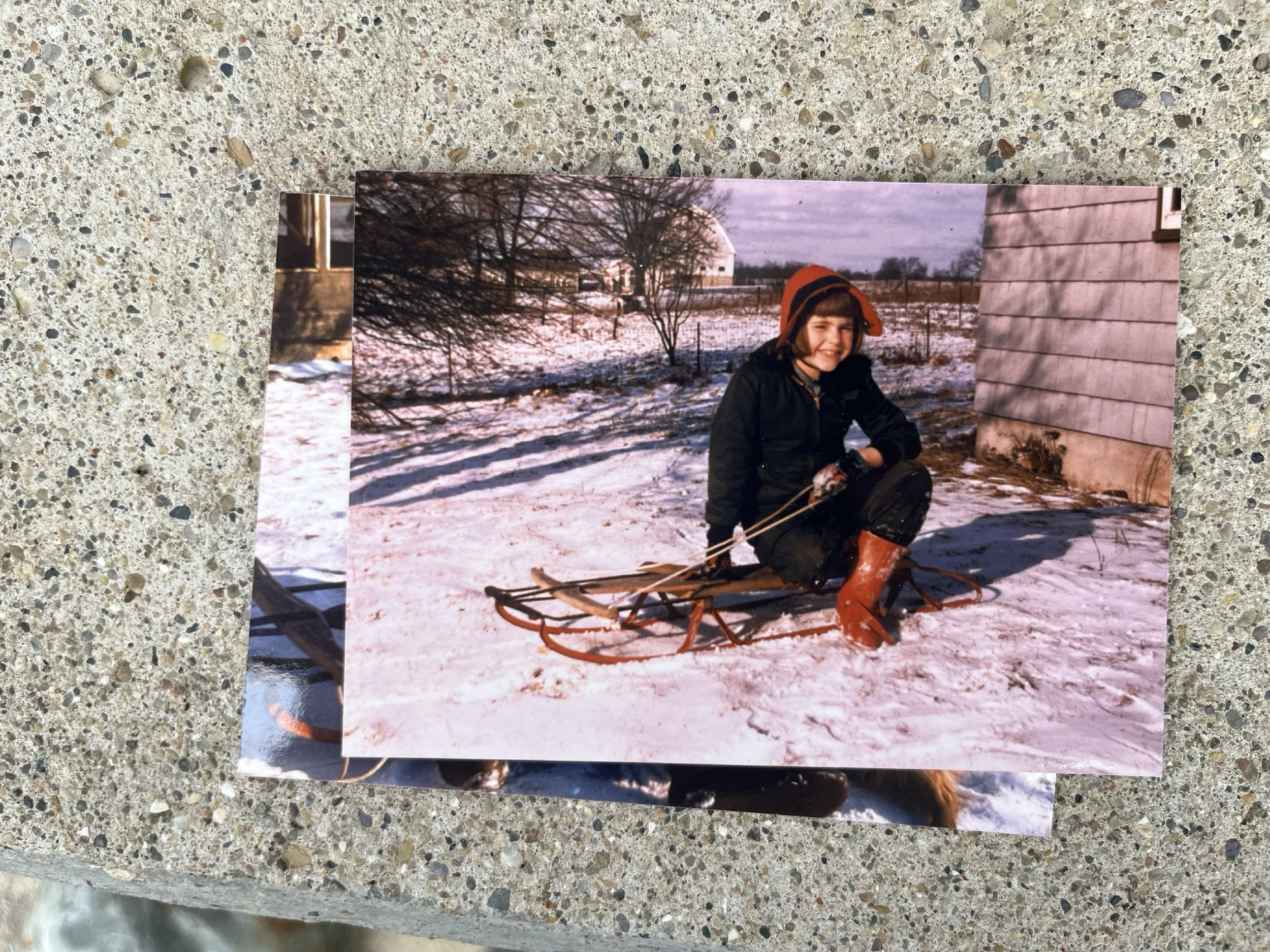
During their visit, siblings Susan and Lucy Burke, two of the ten children, shared memories of life in the 1940s and early 1950s. Their grandfather, Judge George Burke, had built the home for their parents when they were newly married. Looking through old photographs and walking the property once again, the siblings recalled a very different landscape. Long before neighborhoods surrounded the campus, the area was open farmland. Children wandered between fields, climbed trees, visited neighboring farms, and enjoyed the freedoms of a quieter rural Ann Arbor.
Among the most memorable stories was one that feels especially relevant today.
The Burke family in the FrameHouse and the Moehrle family in the StoneHouse held deeply different political views, particularly during the years surrounding World War II. Yet the mothers of the two households met regularly to discuss world events and politics from entirely different perspectives.
This friendship extended far beyond political conversation. The families fed and looked after one another’s children, shared resources, exchanged recipes, and built lasting relationships. In fact, decades later, members of the Burke family still prepare Louisa Moehrle's German potato salad recipe, preserving a small but meaningful piece of family history.
Their story is a powerful reminder that community is built not through uniformity of opinion, but through mutual respect, curiosity, and genuine human connection. This spirit of dialogue and friendship feels especially meaningful today.
A New Chapter
In its reflections on the move, the Anthroposophical Society of America described the Stone House as a place where many streams of history converge. More than a simple change of office location, the move for the Society represents an opportunity to continue its work while deepening its connection to a place that has long been part of the story of Waldorf education.
As RSSAA School Administrator Blair Picone reflects, “It feels especially meaningful to welcome the Society onto our High School campus in a way that honors our shared roots, while creating space for each organization to continue its own work and mission. We are genuinely excited about what this next chapter makes possible and deeply grateful for the spirit of collaboration, goodwill, and shared purpose that has shaped these conversations.”
As we enter the Michaelmas season, we are reminded of the rich history that makes our school community so special. From the Moehrle family's home and machinery factory, to the enduring friendships formed across neighboring households, to the generations of students who have learned and grown here, this corner of our campus continues to tell a story of connection, purpose, and community.
Dear Blair,
Thank you so much for letting me relive my earliest years at 2250 Pontiac Trail. I had not seen it for 75 years! Your Steiner School is amazing.
This recipe originally belonged to Louisa Moehrle, who lived next door in what is now your Stone House.
Thank you again,
Lucy