
Dia De Los Muertos - A Celebration of Life
By Kaiya Herman Hilker of The Steiner School of Ann Arbor
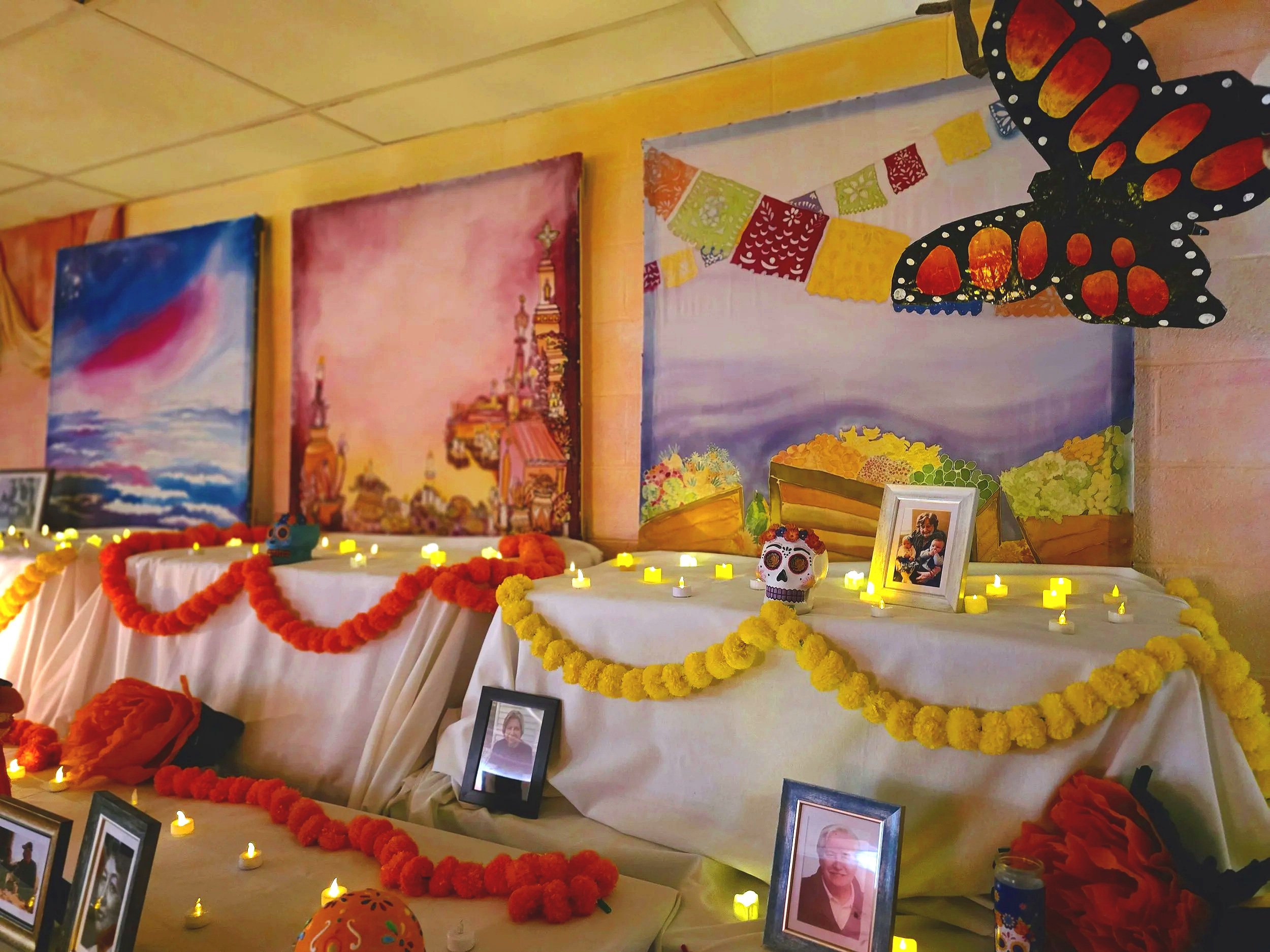
There is a Buddhist parable that tells the tale of a mother wanting to bring her child back to life. She is told to bring a single mustard seed back from a house in which death has not touched. In her search she found that death, grief, and suffering are a part of life in which no one is impermeable.
Death and grief are an inevitable connection with life and love, and an experience which we all face. Infants blissfully come into the world without the knowledge of life’s impermanence, but as children grow, they come to the realization that life does not last forever. This can be spurred by a reflection of death in nature or in someone they love, but this realization leads to more questions and pondering. A three-year-old can begin to understand this concept, and by age five or six, children can firmly understand the impermanence of life and permanence of death. How we, as the adults in their life, process and discuss death is sending them lasting messages about how they should handle bereavement, and about the sacredness of life, death, and loss.
Many years ago, death and early loss were much more common, and communities were closer, gathering to support, grieve and remember. The harshness of life and the lack of medical interventions meant that families lost loved ones well before what is common now, which meant that there was no way for death to be a taboo topic. Yet, today in our society, grief and loss are topics that people try to avoid. It makes sense: they are hard and filled with deep love and sadness. Whether or not it is taboo, painful, or celebratory, we have the power to shape that experience for our children and families, and many cultures around the world choose to lean in and find the universal connection through their stories and practices. For ourselves, and for our children, we can spend time reflecting on our own experiences, values, beliefs, and practices.
Cultures Around the World
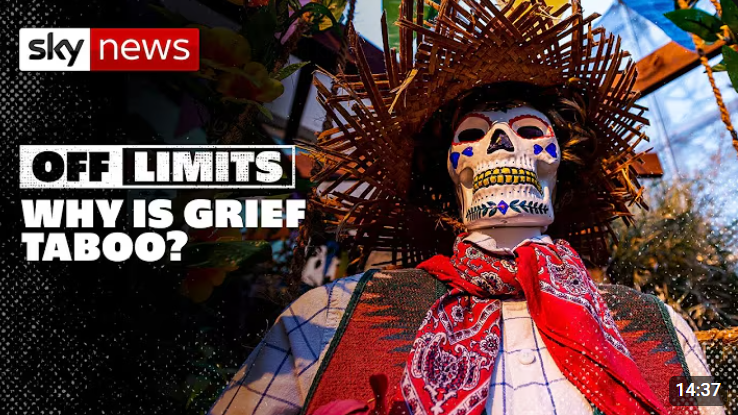
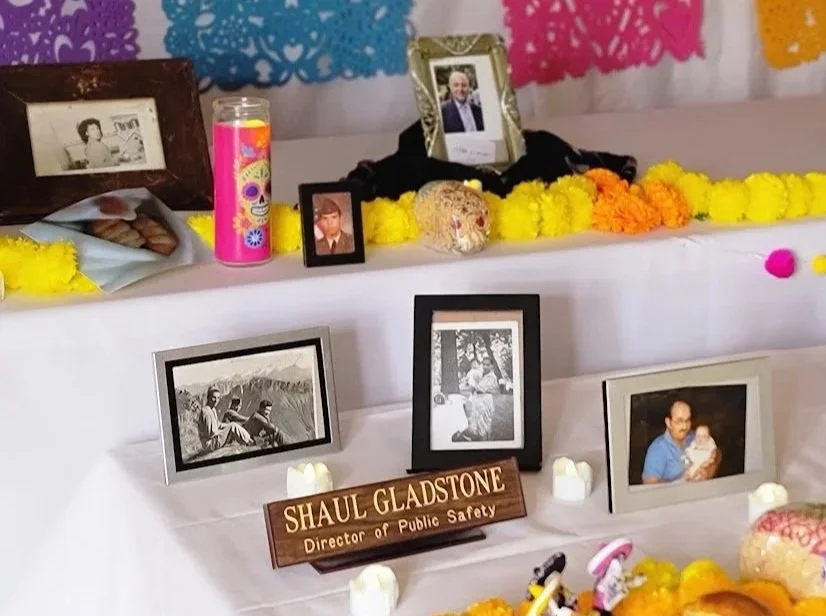
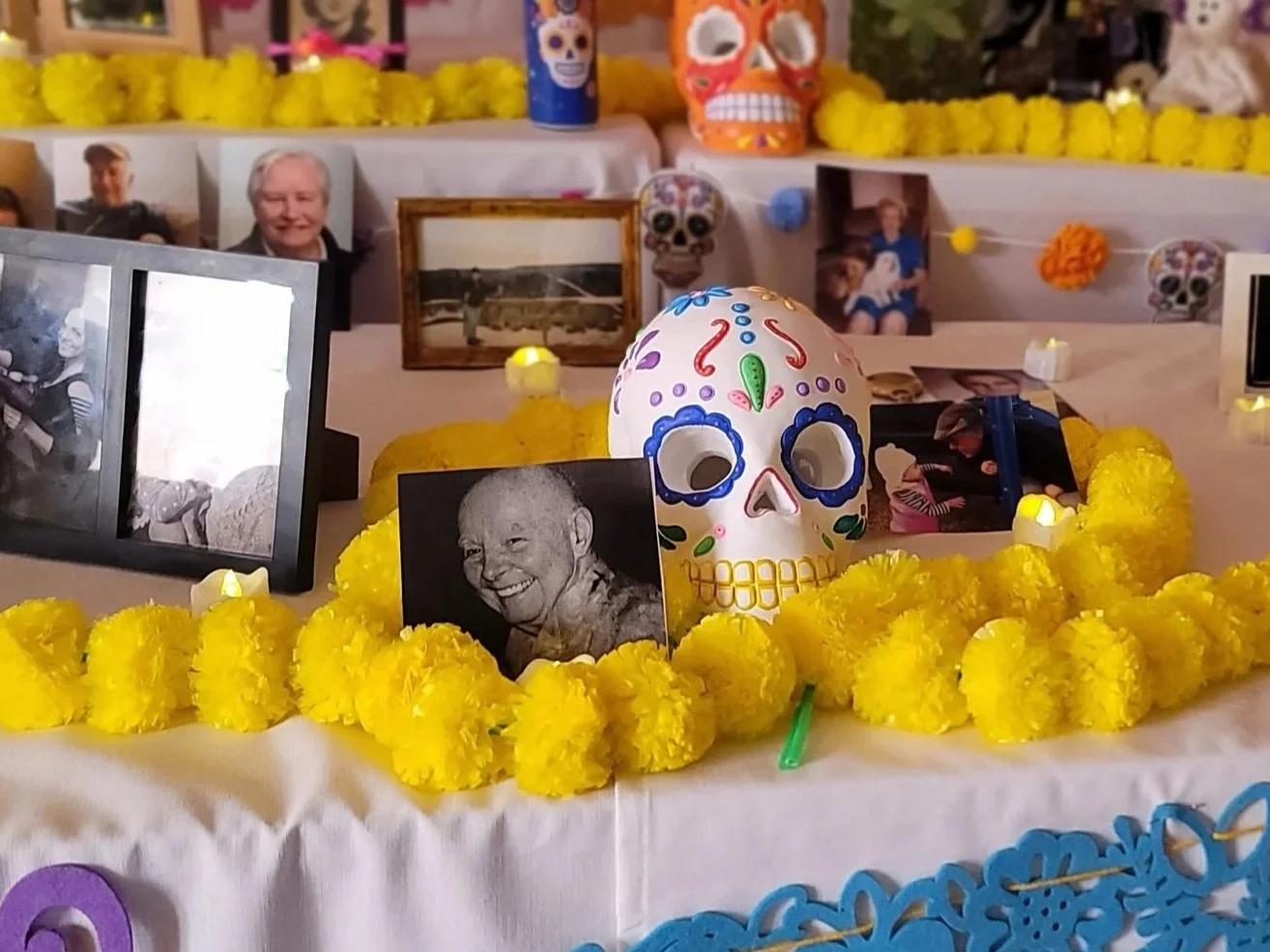
Every culture and religion has a wide range of how they celebrate the beginning and end of life. Erica Buist, the author of This Party’s Dead, went on a journey to seven different death festivals around the world in hopes of finding some solace after her family’s loss. She found cultures that made the topic of death and connection with life a celebration, and the beauty that was in it (you can see some here on Sky New’s video). Families and cultures have diverse ways of remembering and paying tribute to people following their death and into the future. Finding ways as a family to continue to keep the memory and life of a loved one alive, whether it is through an alter for Day of the Dead, a family trip each year to where ashes were spread, photographs or a memory box, we are showing the children healthy ways to grieve and remember. Sharing stories and fond memories throughout their life allows for conversations to stay open and for the person or pet’s importance in their life to shine through
Have Conversations and Connect - Break the Taboo Cycle
Having the topic of life and the inevitability of death as a part of your conversations before it becomes a reality, helps children (and adults) prepare for the inevitable moment that they lose a loved one, as well as helps the child grasp the concept of life. Things die all around us on a daily basis: houseplants die, leaves fall off the trees, flowers wilt and die away when winter comes, and produce starts to rot and decompose. These are easy ways to bring up the topic because it shows the end of a life cycle and allows the child to see that things that are dead do not come back to life.
Use Clear Language
Using language that is not misleading is extremely important. We have nice ways of saying someone is dead such as “passed away, crossed the threshold, or no longer with us,” but these are confusing to children. Knowing that the body died, the heart stopped beating and they are no longer breathing gives the sense of permanence. Each family’s religious views then shape how they answer the question of where the pet or loved one is now. It can vary from them being in heaven, or they live on in our hearts, thoughts, and memories of them, but allowing a space for the child to feel a connection with their loved one is important.
The Power of Stories, Images and Nature
Books and time outdoors can serve as a great talking point for us now (there is a list below of our favorite books). These allow us to start the conversation and for the child to experience it without it having to be real in their life. Your spiritual beliefs can also create beautiful images for children to process things through.
Children need to know that it is okay to talk about the possibility of death or about family members that have passed. Many people who experience loss want to talk about the person they miss, even if it is just casually remembering a story about them. When the subject of the possibility of death comes up, it is also important that we do not tell the children “Don’t worry about it.” Instead, embrace the discussion and feel free to ask questions. Children imagine all sorts of illogical things about topics they don’t understand, so asking their thoughts helps you navigate their worry. You can let them know that most people die when they are old, and their bodies get sick.
Things to note:
It is important that a child knows it is not their fault when someone dies.
There is a good chance that they may not cry, and that is okay. They do not understand death and attach the same emotional attachments to it the way that adults do.
Children may ask the same questions over and over, and it is important to give them a consistent answer. Hearing the same thing allows them to form the concept.
If loss happens, it is good to try to stick to the children’s normal rhythms as much as possible. This allows their life to feel consistent and predictable.
It is okay for them to see you sad and to cry. They are learning how people process emotions. Naming your sadness to them by saying something like “I am crying because I really miss my father and I feel sad right now.”
When people you know have loved ones that pass away, it is good for children to see how you care for them. You can talk about how we take care of and show our love for people in our community when they are feeling sad. They may want to draw them a picture, help you make a meal, pick out or deliver a gift.
Having a relationship in which you accept your child’s emotions, negative or positive, and allowing them to feel these feelings, sets up big moments such as death, as a space you can navigate together without shame.
Describing what will happen at the funeral prepares your child for the way that the events of celebration and remembrance will take place.
Books to Read with Children:
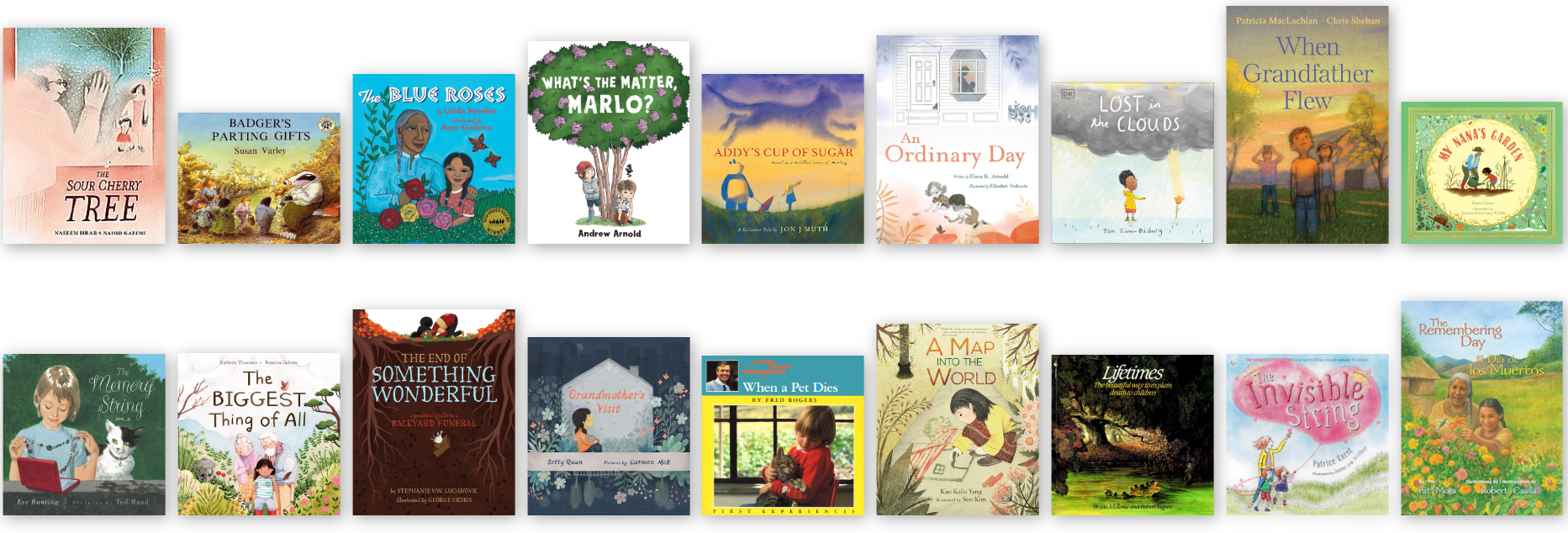
This is a list of all the books we have read and found helpful on this topic
Good resources for adults:
How to Talk to Children About Death or Death: How to Talk About it with Children
Practical Tips About Continuing Bonds
Teaching Our Children About Love and Loss
The Box and the Ball Analogy
Holding Space
Sources and References:
When Children Ask About Death (or Other Heavy Topics) - Janet Lansbury
Ofrenda photos provided by Angela Gladstone