
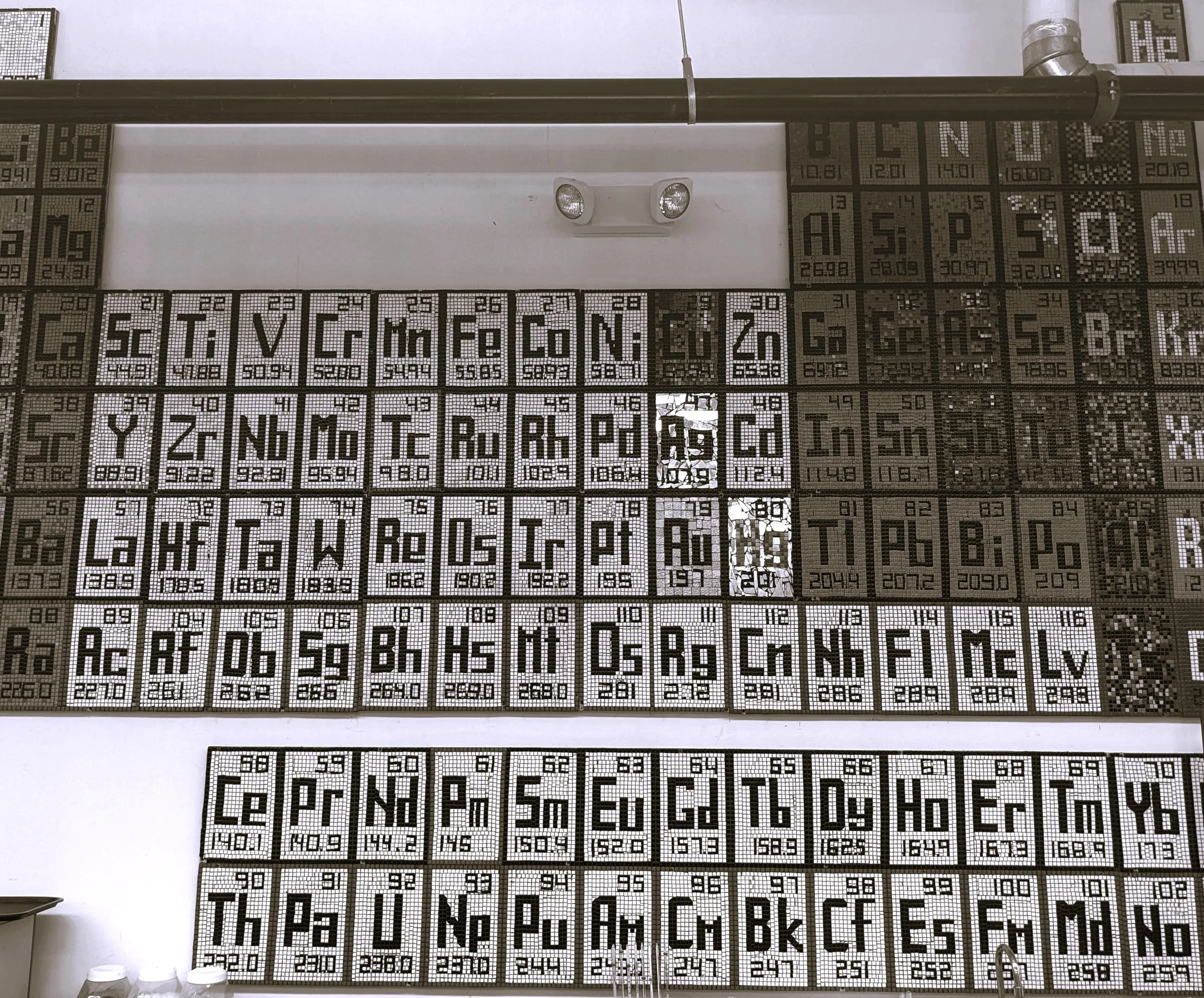
Mosaic by Class of 2008
Explore our High School Curriculum
Our rigorous, college-preparatory curriculum is grounded in deep thinking, hands-on learning, and strong relationships.
We integrate science, mathematics, humanities, languages, and the arts—preparing students not only for selective colleges, but for thoughtful, engaged lives beyond high school.
Explore our Curriculum
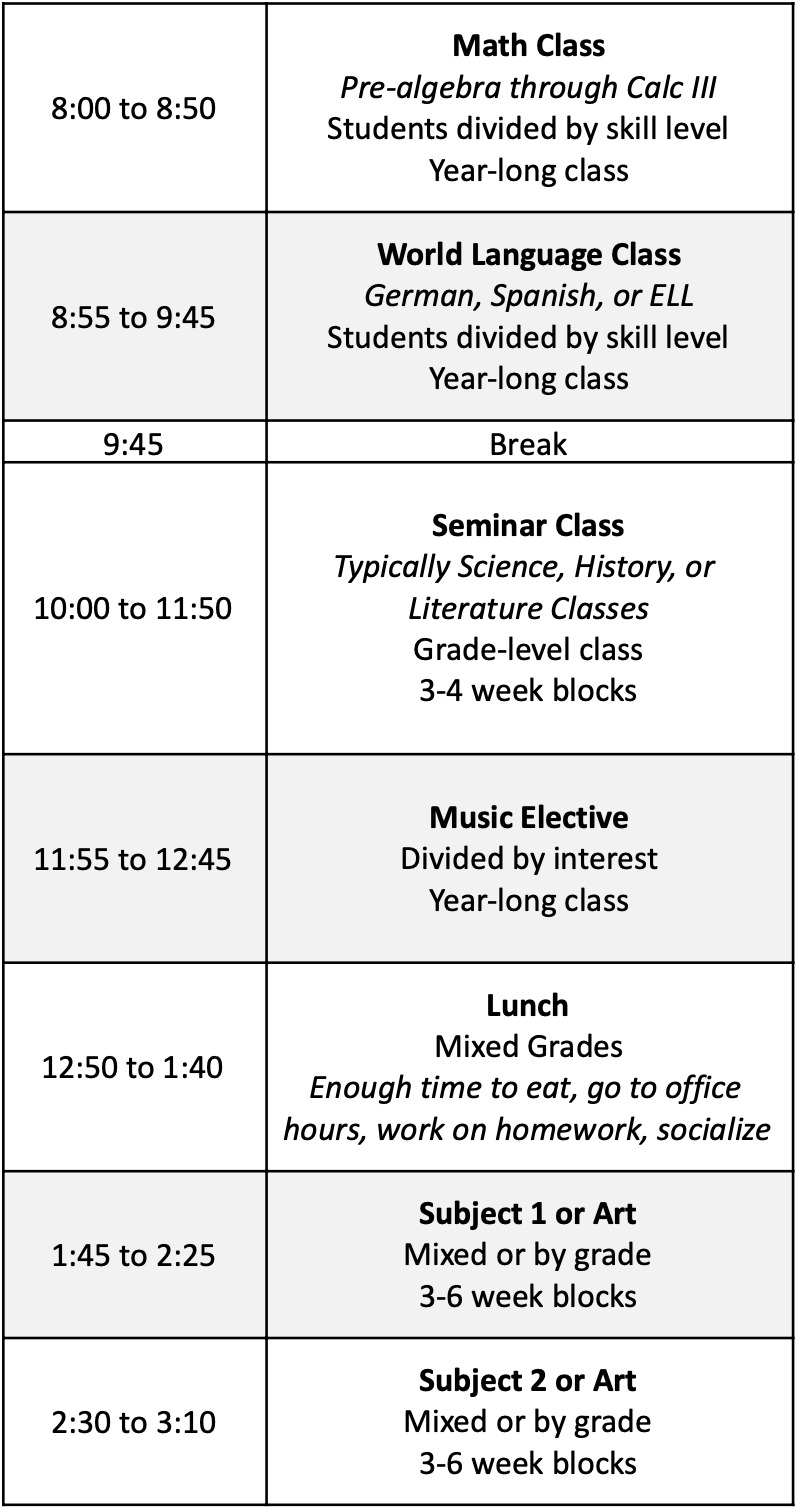
Typical Daily Schedule
Students experience a balance of year-long track classes and rotating block classes, allowing for both immersion and continuity.
The class schedule is intentionally designed to support focus, depth, and meaningful learning.
Types of Classes
There are three main categories of classes at RSHS
Track Classes
Year-Long Courses
Track classes meet throughout the year and provide continuity in areas such as mathematics, world language, music, health and physical education.
This structure supports steady skill development, strong teacher-student relationships, and long-term academic growth.
Seminar Classes
Block-Based Learning
Seminar classes meet for approximately two hours each day over a 3–4 week period. During this time, students focus deeply on a single subject or theme—typically science, humanities, or a special academic area.
This format allows for extended labs, sustained in-depth discussions, and project-based work. Topics rotate throughout the year, enabling students to revisit core disciplines annually and deepen understanding over time.
Subject and Art Classes
Block-Based Learning
In addition to seminars, students have two subject classes at a time, which meet three times per week. During this time, students extend or apply learning from seminar courses—such as laboratory experiments in science—or explore focused subjects like grammar, civics, or law and government. Topics rotate every 3–4 weeks. Additionally, students have two days of art per week, with projects that rotate every 3-6 weeks.
A Balanced Approach
By combining immersive block learning with consistent year-long courses, RSHS offers a rhythm that supports both academic rigor and student well-being—encouraging curiosity, mastery, and confidence.
Science
At a Glance
• Lab-based, experiential learning
• Biology, Chemistry, Physics & Earth Science every year
• Emphasis on observation and evidence-based reasoning
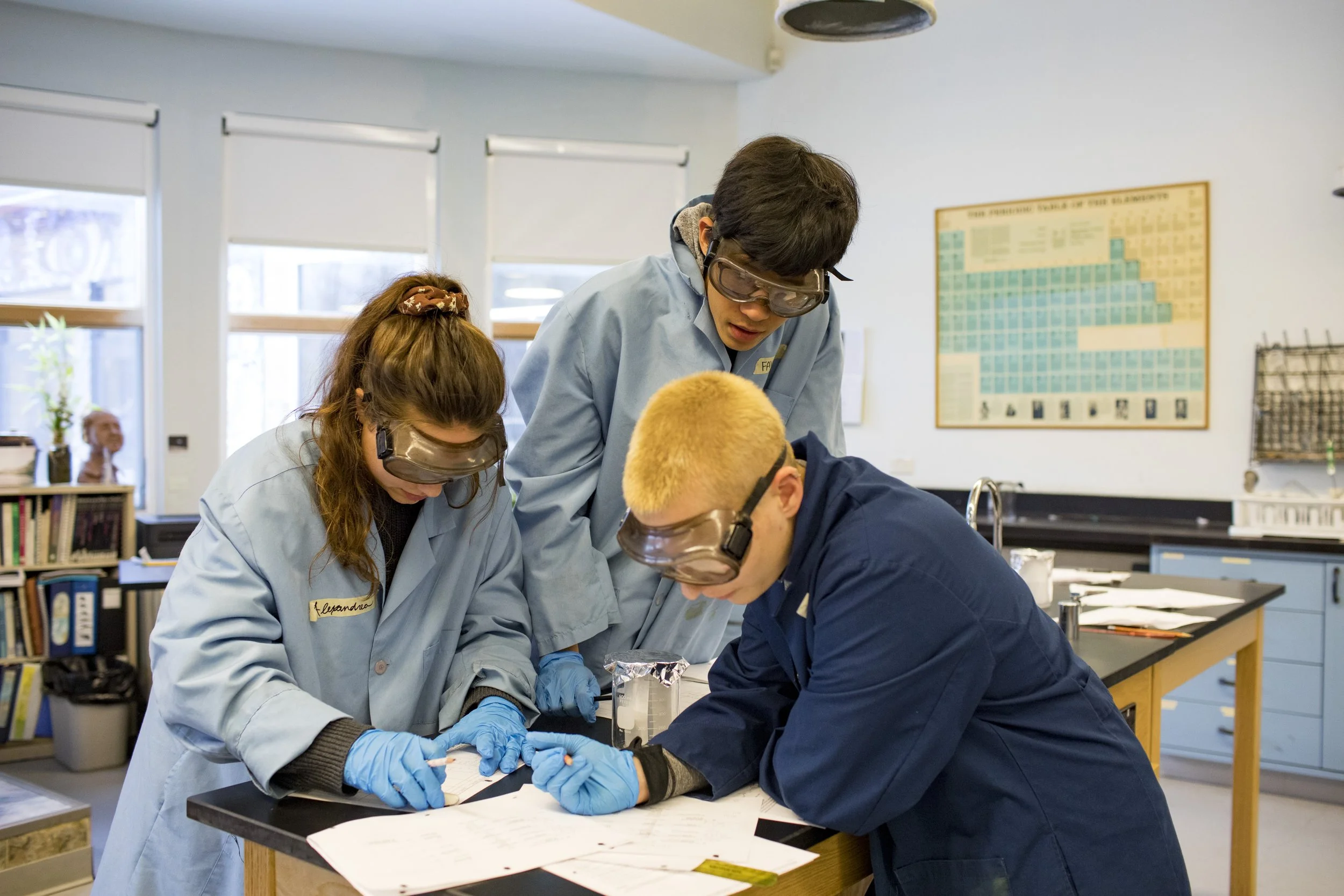
Science at RSHS is learned through observation, experimentation, and discovery
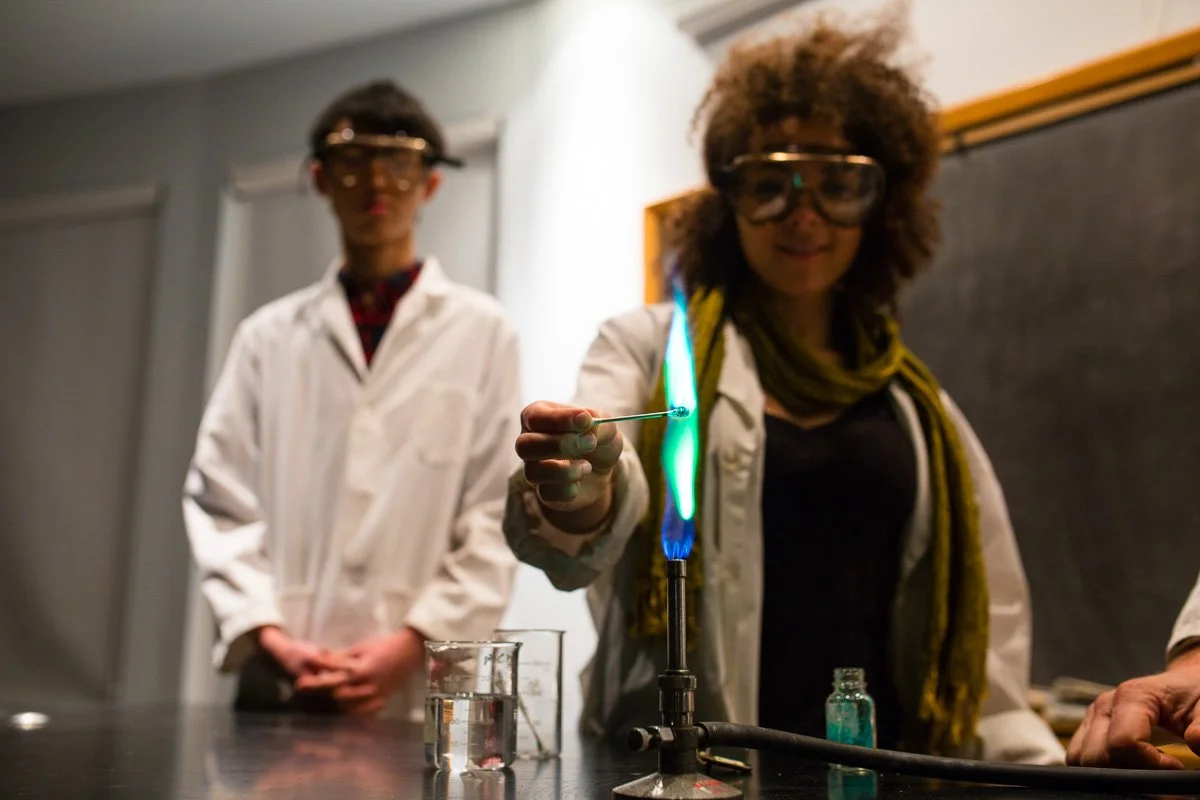
Rather than relying on textbooks or videos, science classes are primarily lab-based, and students experience scientific principles firsthand.
Students study biology, chemistry, physics, and earth science every year through rotating seminar blocks. Revisiting each discipline annually allows students to deepen understanding, build conceptual connections, and develop strong scientific habits of mind.
“By the time I got to college, I had already studied many science disciplines that my classmates were just being introduced to. I felt genuinely prepared for the pace and expectations of college science courses.”
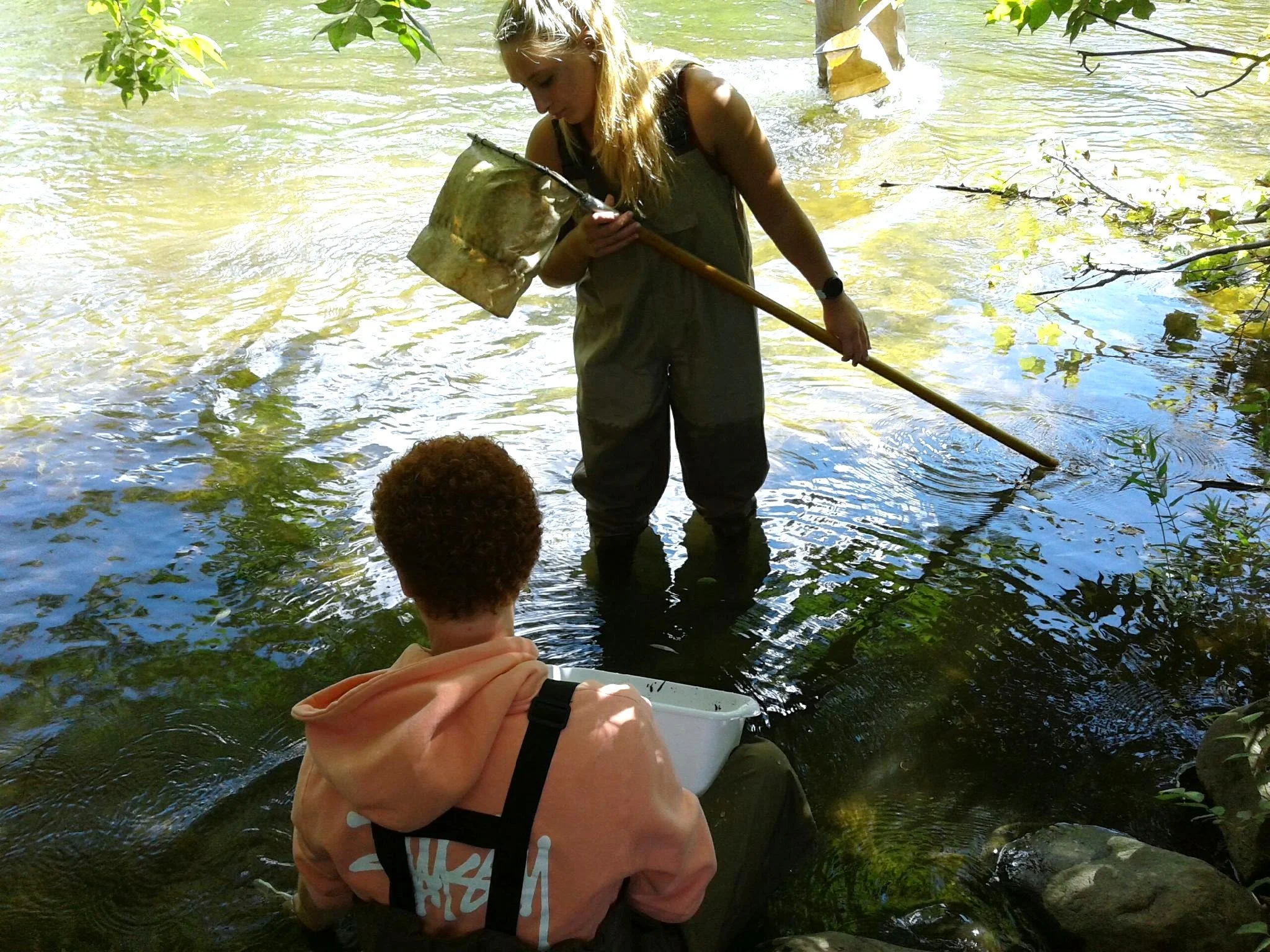
Classes follow a phenomenological approach: beginning with careful observation and experimentation, followed by documenting notes and class discussions, and culminating in synthesis and conceptual understanding.
Students learn to think like scientists—asking good questions, communicating clearly, and developing evidence-based reasoning.
Many graduates pursue engineering, medicine, and research, but all students leave with strong analytical skills and confidence in the sciences. Graduates are well prepared for college-level STEM coursework and analytical thinking across disciplines.
Interested in how our science program supports college preparation?
Mathematics
At a Glance
• Year-long track courses
• Coursework from Algebra I through Calculus III
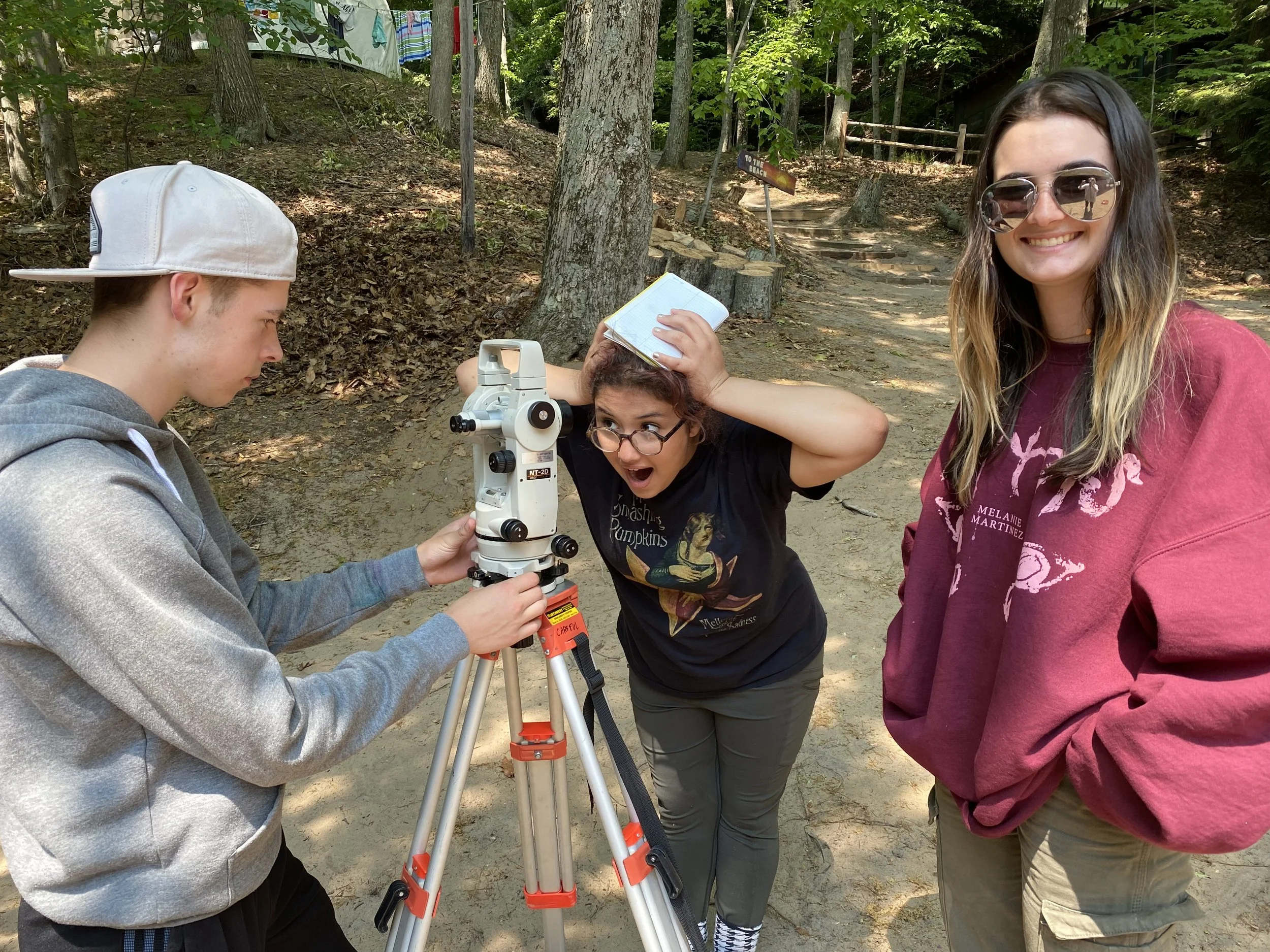
• Advanced topic seminars, such as projective geometry, practical surveying, and mathematical physics.
Math at RSHS is taught in small class sizes, where each student is placed in a challenging yet supportive learning environment
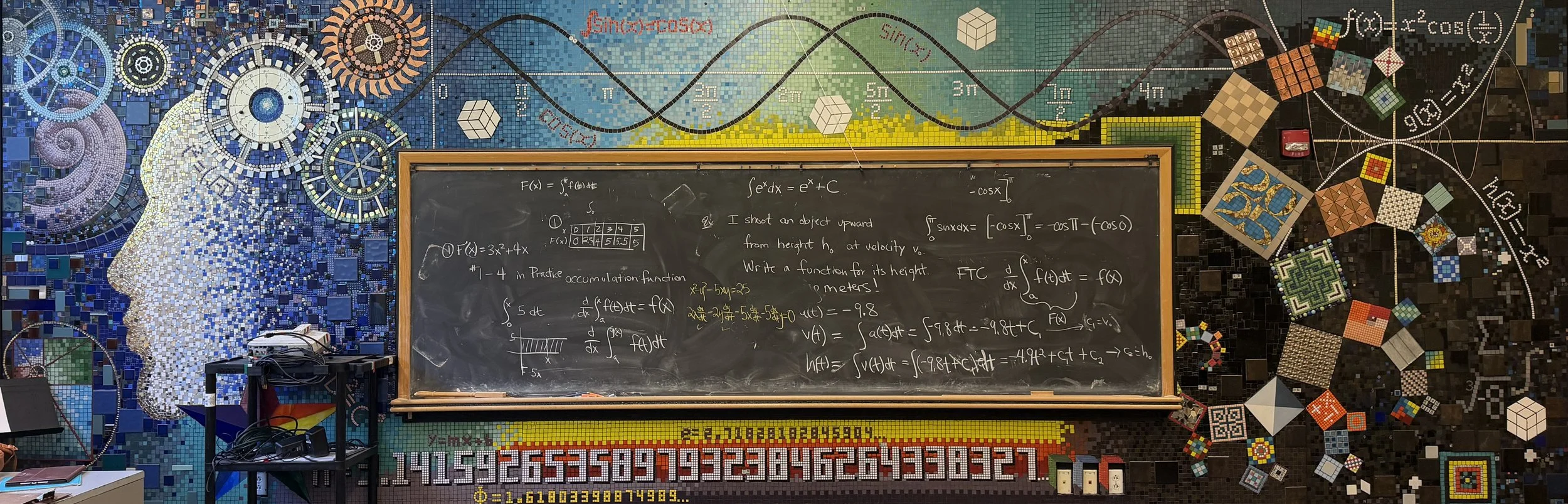
Mathematics is taught in year-long track classes ranging from Algebra I through Calculus III, allowing students to work at a level that matches both skill and interest.
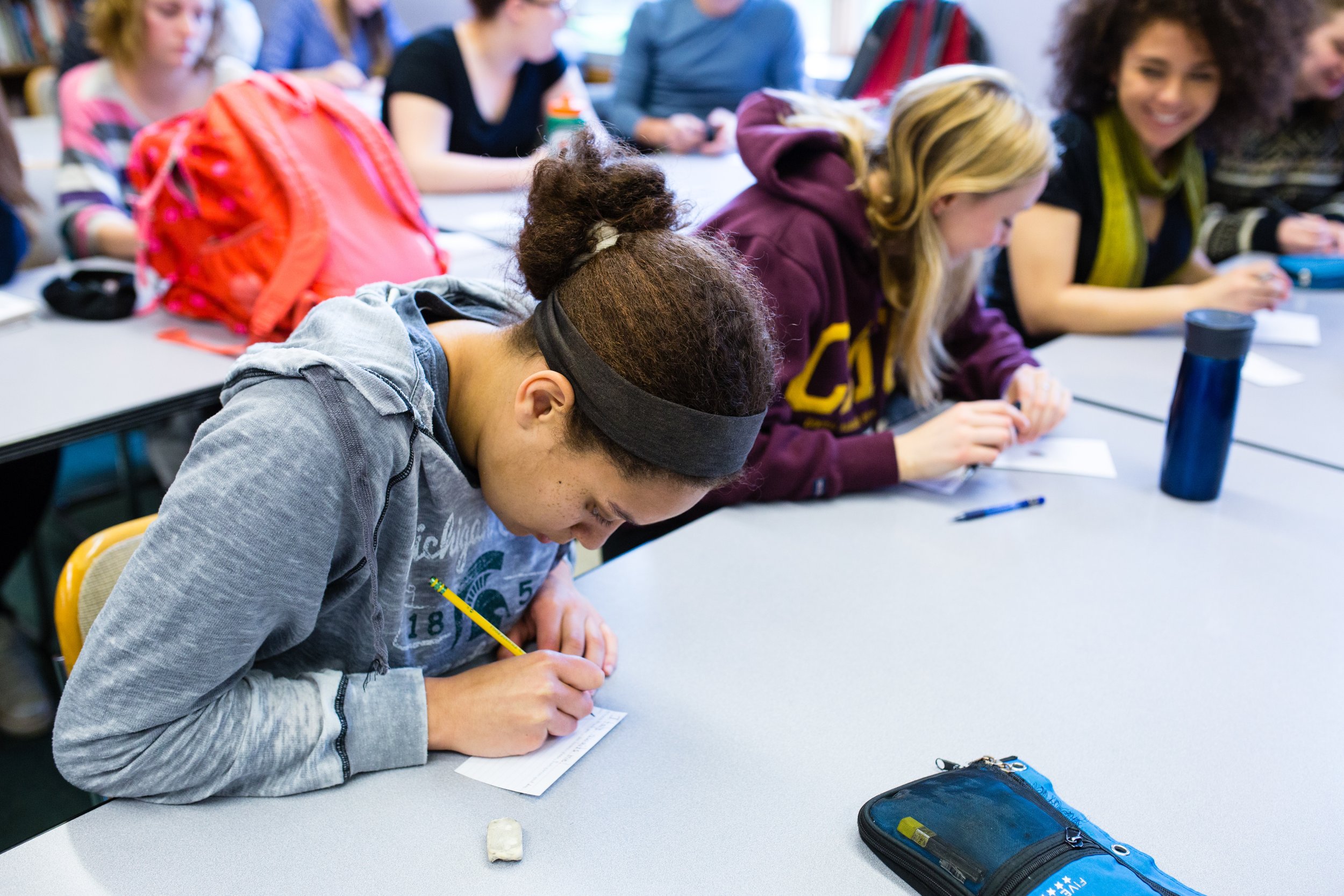
Small class sizes allow teachers to notice patterns in each student’s thinking, provide targeted support, and help them stretch into more advanced material.
Math at RSHS emphasizes conceptual understanding, precision, and perseverance—preparing students for advanced study while building confidence and flexibility.
“For the first time, I felt like my teacher understood how I was thinking. That support helped me gain confidence and succeed in math.”
Learn how our math program helps students to build confidence and thrive.
English
At a Glance
• Full literary works, not excerpts
• Extensive writing and discussion
• Developmentally centered curriculum progression
Students discuss, debate, and write extensively, developing clarity of thought and a strong academic voice
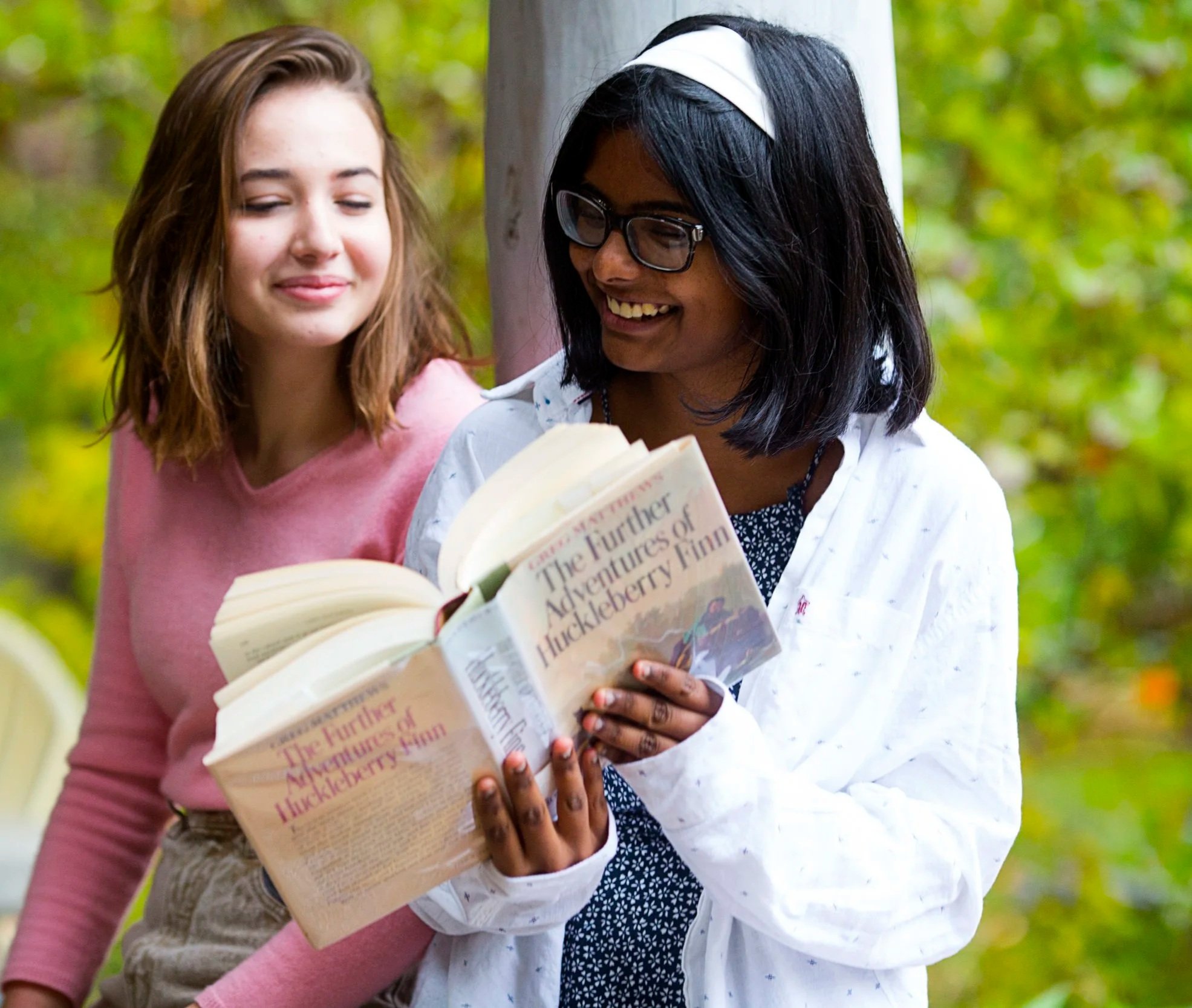
English courses immerse students in literature, writing, and close reading. Students read full plays, novels, epics, and poetry from a wide range of cultures and time periods—selected for their relevance to students’ intellectual and emotional development.
“I’ve been amazed by the depth and variety of literature my child has encountered. Our dinner conversations have become richer, more thoughtful, and often surprisingly insightful.”
Course progression includes:
9th grade: drama and novels
10th grade: poetry, ancient epics and world mythology
11th grade: Medieval literature, including Parcival and Dante’s Divine Comedy
12th grade: Faust, and a focus on Modern literature, including advanced seminars
Texts that are chosen speak meaningfully to enduring human questions, helping students connect literature to their own lives and the world around them.
Students head to college with a strong literary foundation, and the confidence to engage in higher-level discussions.
Interested in how our literature program supports college preparation?
History
At a Glance
• History as lived human experience
• Primary sources and discussion-based learning
• Strong emphasis on civic understanding
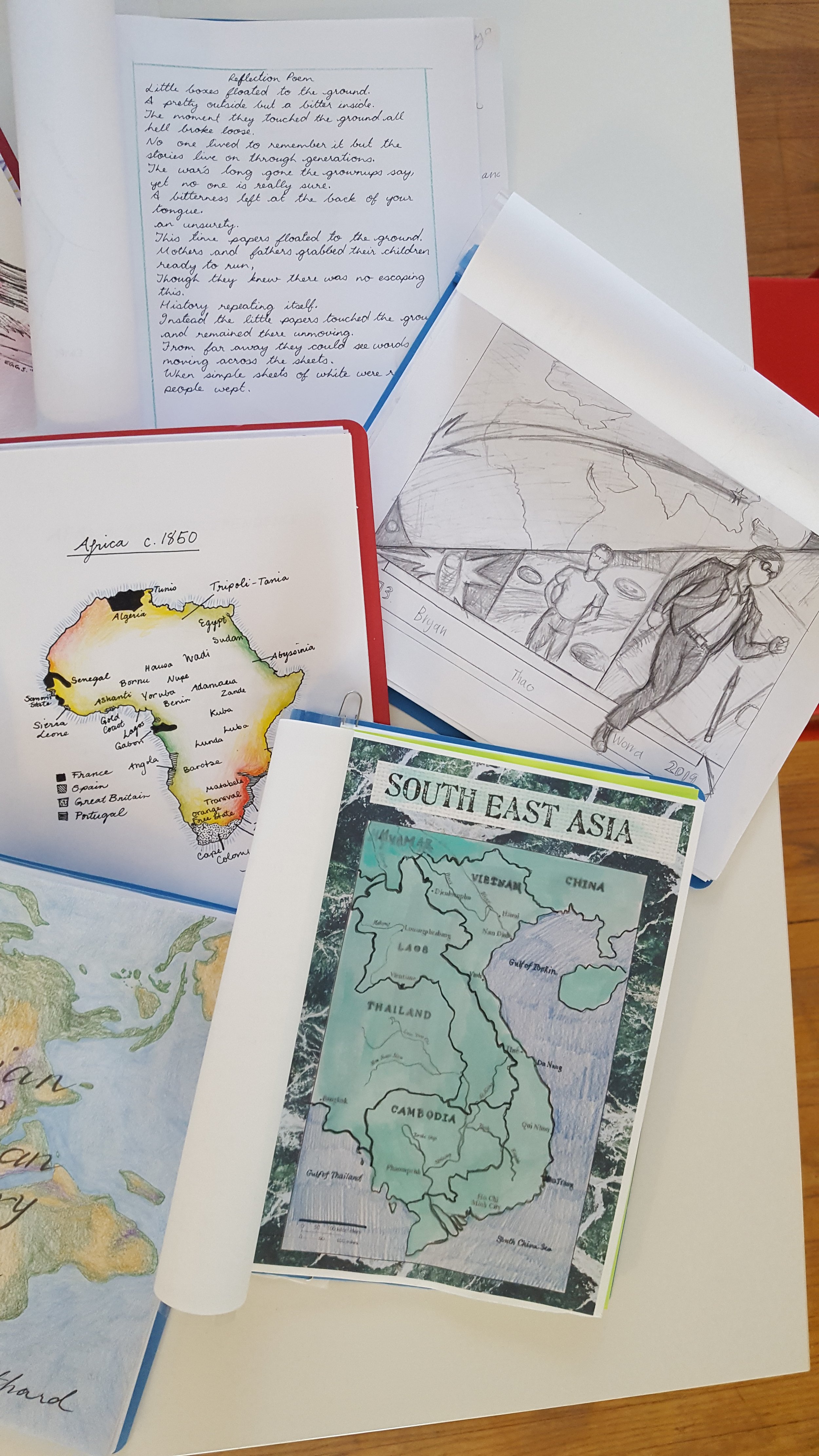
History at RSHS is taught as a human story, not just as a list of facts or dates
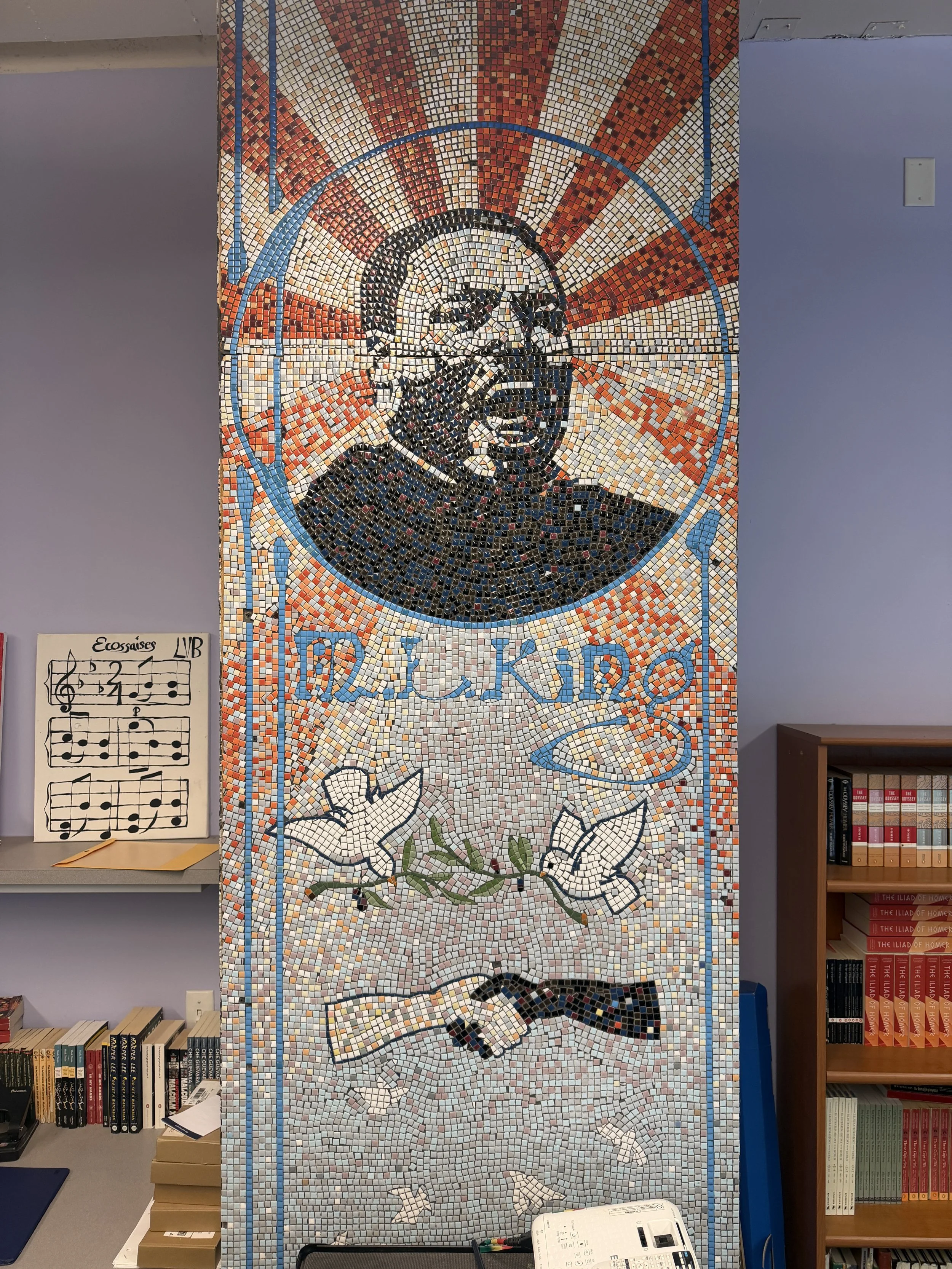
Students study ancient cultures, revolutions, the Renaissance, civics, economics, and US History to gain a deeper sense of community, responsibility, and global citizenship.
Students explore and visualize what it meant to be alive at different times and in different cultures
—how people thought, how they solved problems, how societies rose and changed.
“When I started taking history and political science courses in college, I was surprised by how much context I already had. The variety in the high school’s curriculum helped me make connections that many of my classmates were just now beginning to discover.”
Through primary sources, biographies, debates, simulations, and research, students develop cultural literacy, empathy, and a strong sense of global citizenship.
Students learn not only what happened, but why—and how the echoes of history appear in the world today.
Learn how our history program helps students develop a sense of place in the world.
World Language
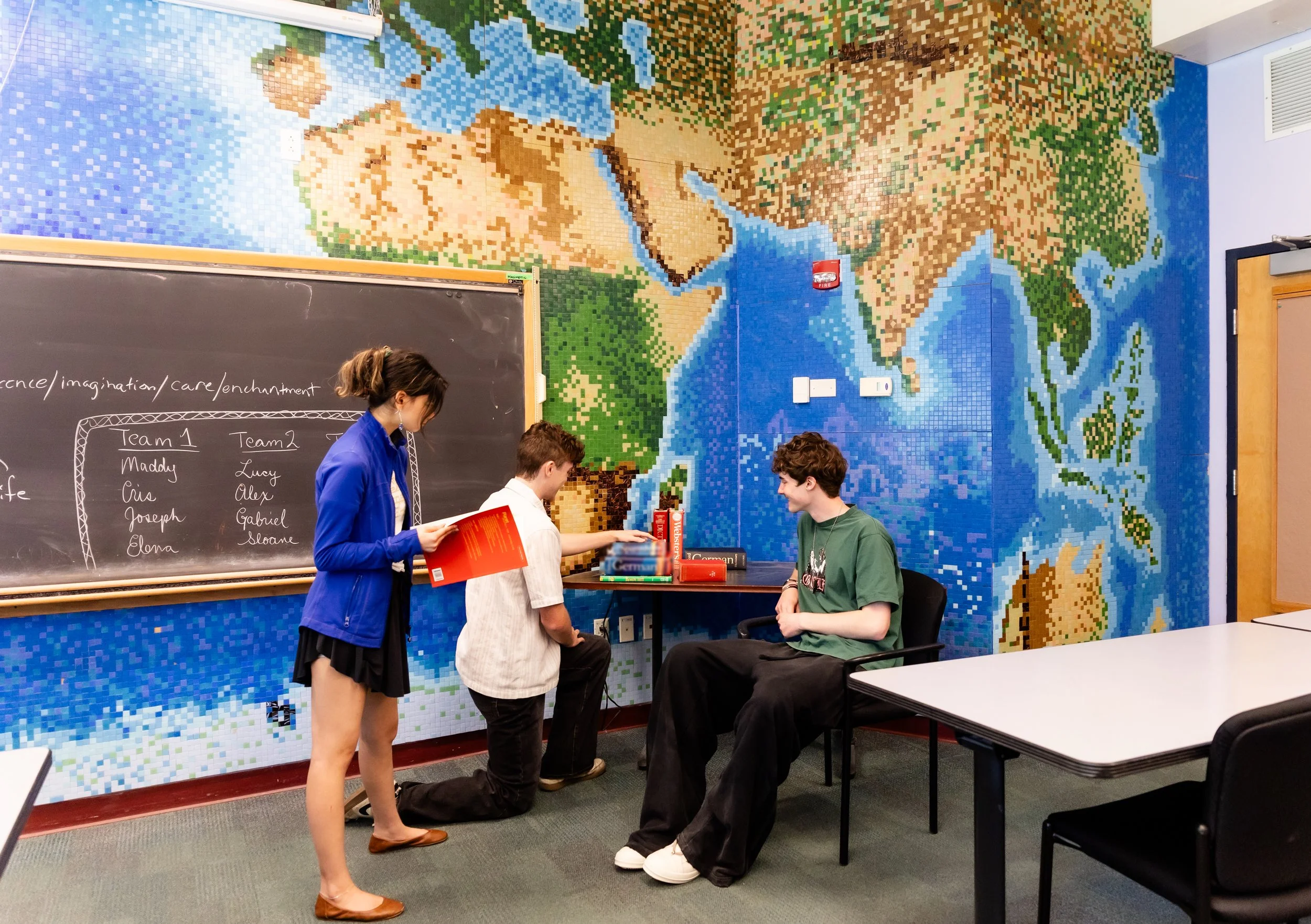
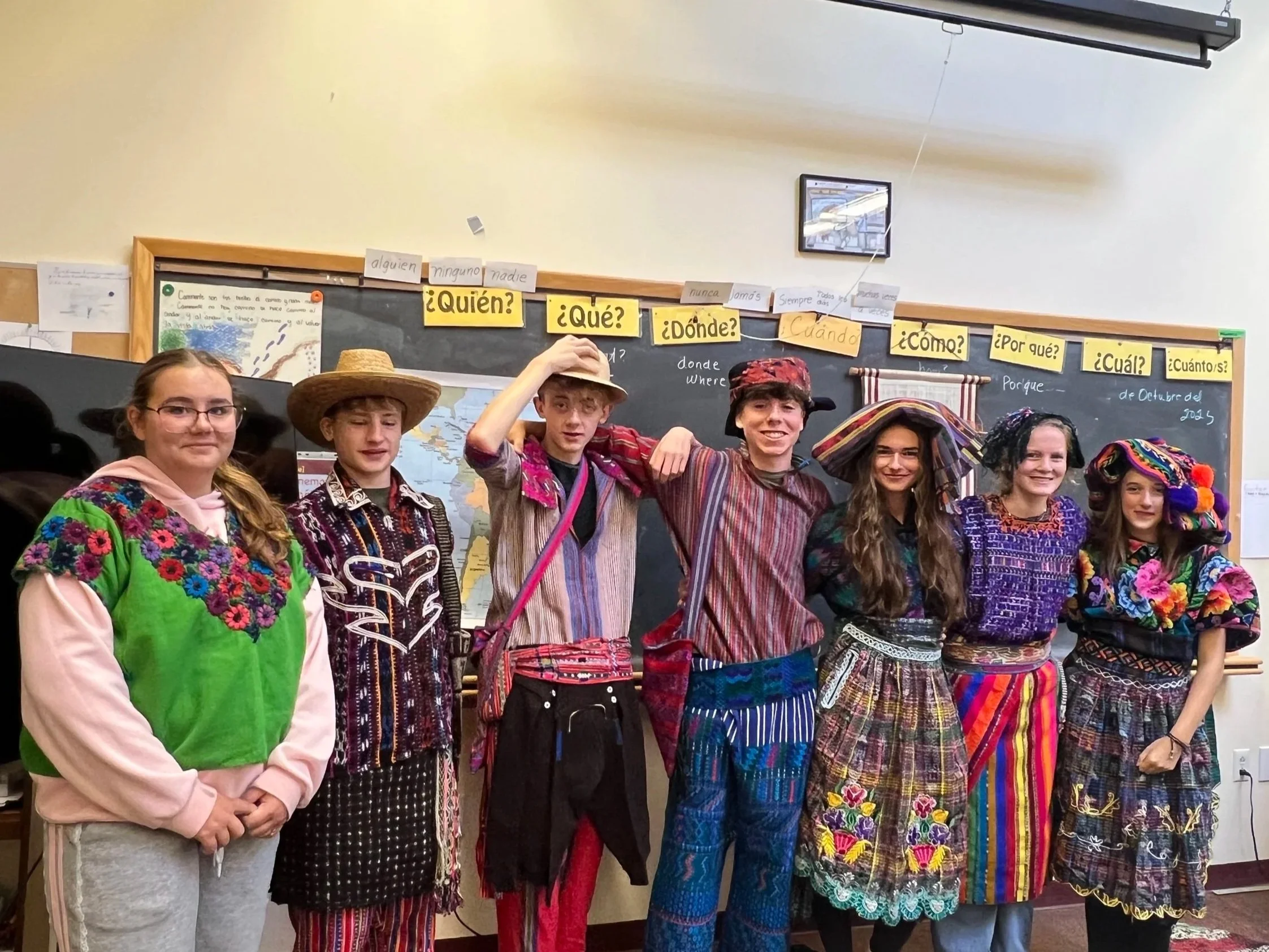
Classes are small and grouped by proficiency, allowing for individualized instruction and meaningful conversation.
At a Glance
• Four years of continuous study
• Spanish, German, or ELL
• Emphasis on real-world communication
Instruction emphasizes speaking and listening, cultural immersion, reading and writing, and real-world communication—building global awareness and confidence across cultures.
Language study is interdisciplinary, incorporating current global events, history, and cultural context alongside linguistic skill-building.
Electives & Senior Projects
Elective blocks allow students to pursue advanced or specialized subjects such as philosophy, literature, mathematical sciences, and rotating interdisciplinary seminars.
At a Glance
• Advanced academic and arts electives
• Independent, mentor-supported senior work
• Emphasis on initiative and depth
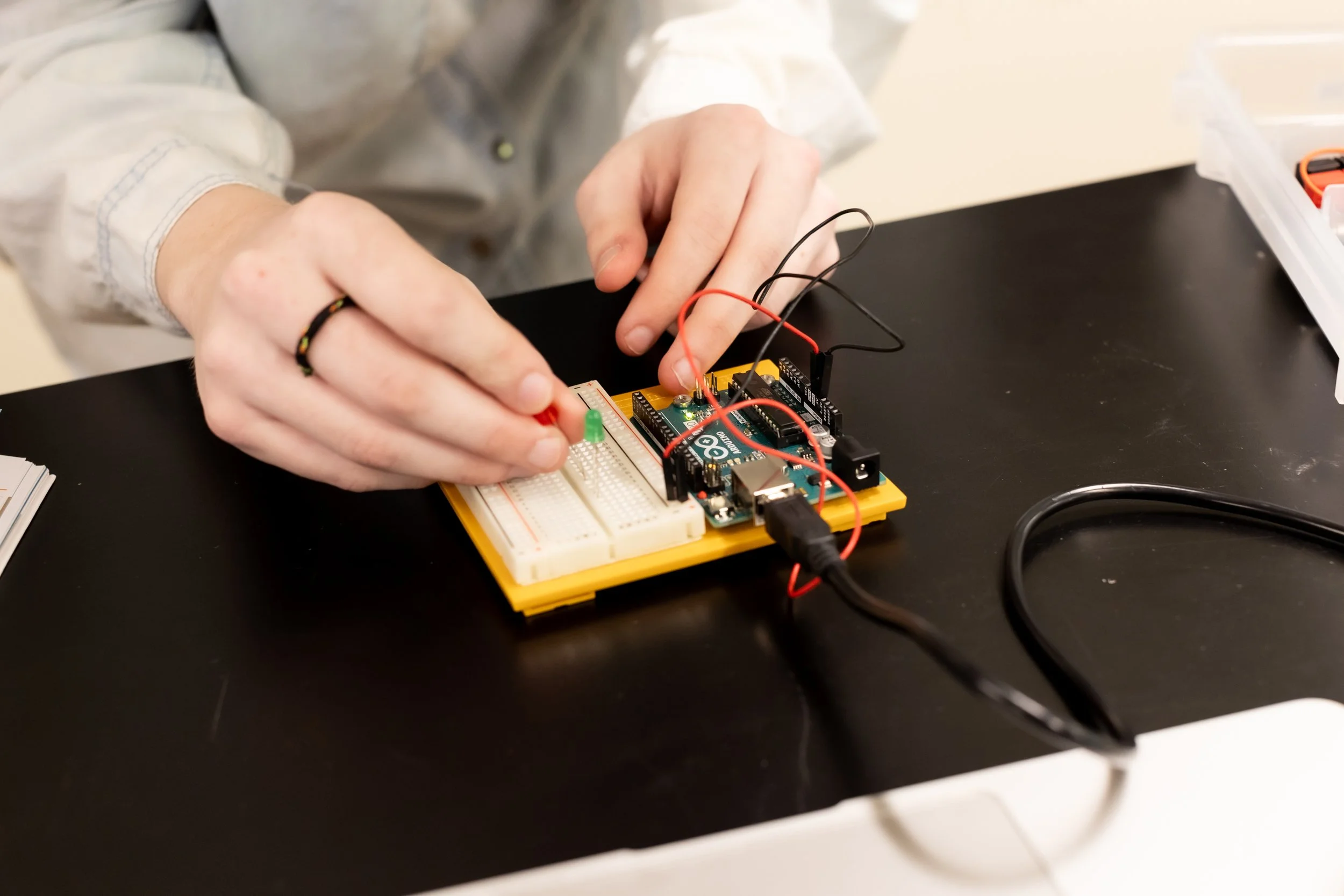
Senior Projects serve as a culminating experience in independent learning. Students design and complete a sustained project guided by faculty and an outside mentor, developing planning, research, and real-world skills.
“I’ve studied philosophy, advanced science topics, literature, and art electives I didn’t even know existed before coming here. The variety has been one of my favorite parts of the curriculum.”
Performing Arts
All students participate in a block of drama each school year, with additional opportunities to join the drama club and take part in an annual production.
At a Glance
• Performance-based learning
• Confidence and collaboration
• Integrated into the curriculum
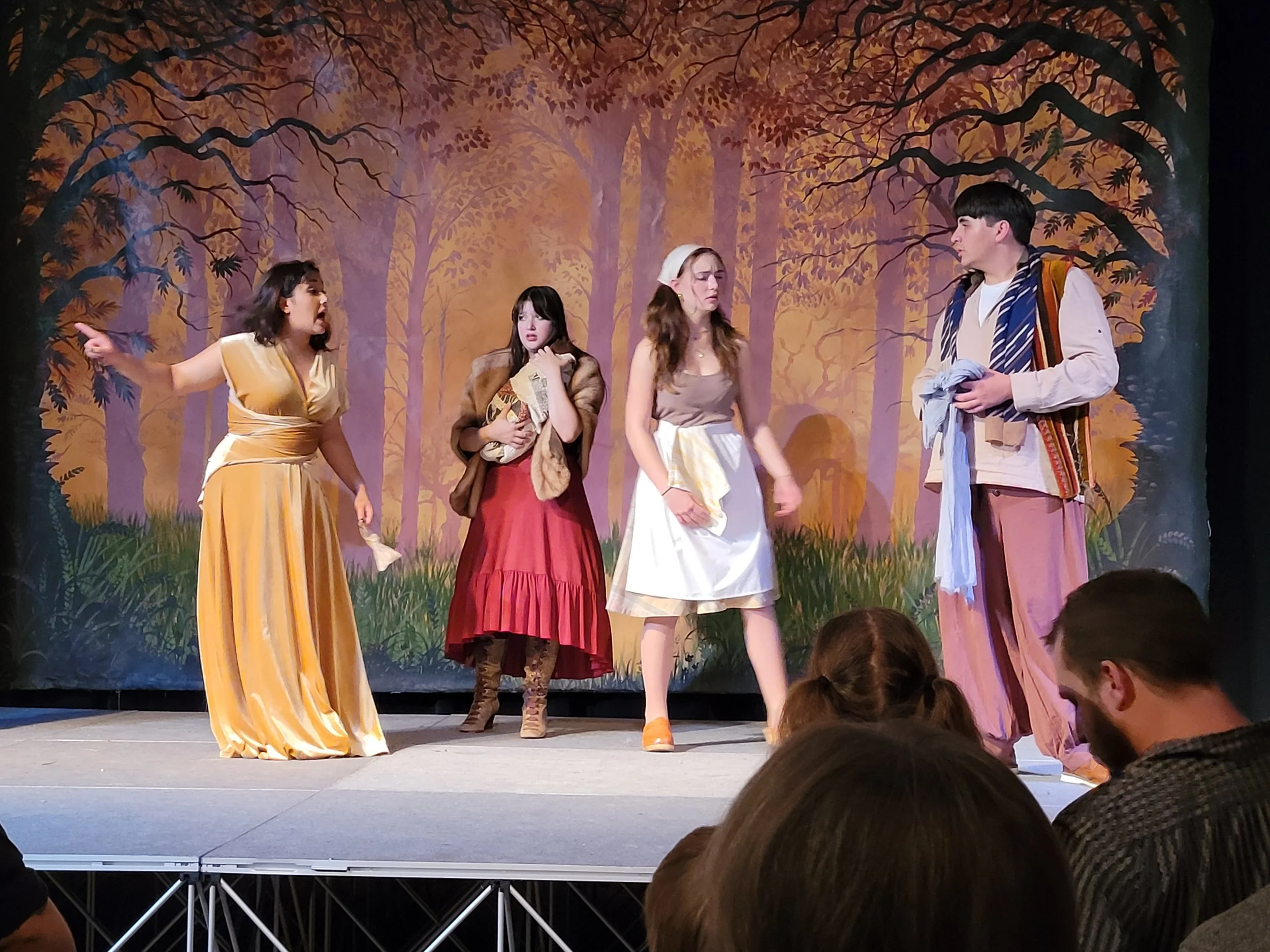
Performing arts coursework builds presence, confidence, team-building and collaboration through drama, movement, and performance-based work.
Students strengthen communication skills and contribute to a vibrant school culture.
“At a larger school, I probably never would have had the chance to be a lead in a play. At RSHS, I could pursue theater while still competing in sports and other clubs.”
Art
At RSHS, the arts are not separate from academics—they reinforce them.
Geometry becomes clearer through drawing. Understanding form in sculpture strengthens spatial reasoning in math.
Observational painting sharpens the same skills needed in scientific labs. Creativity deepens comprehension.
At a Glance
• Hands-on, skill-based studio work
• Multiple media over four years
• Two days per week, all four years
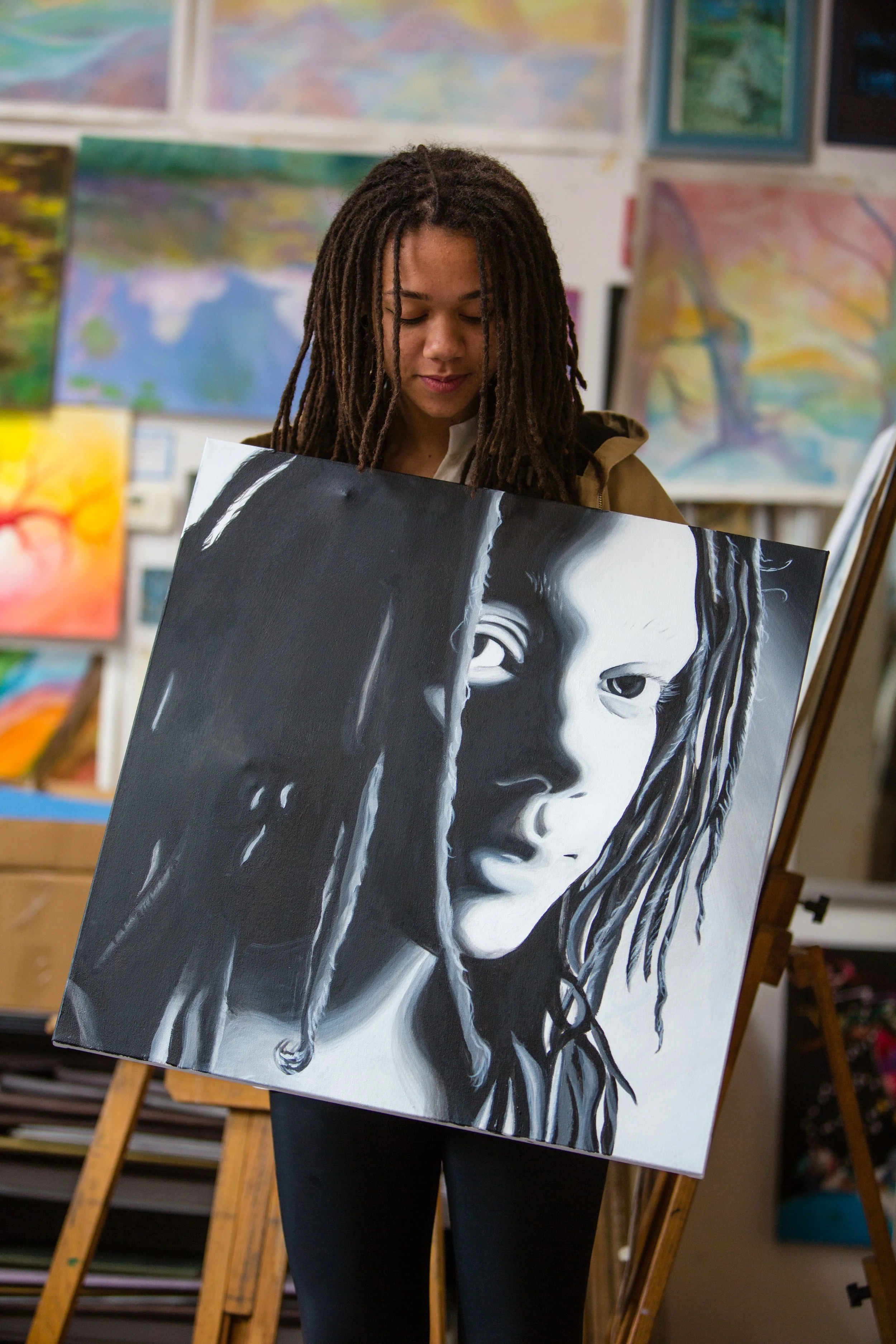
Students study drawing, painting, woodworking, stone carving, clay, printmaking, and more.
Through artistic practice, students build patience, focus, craftsmanship, and the ability to translate ideas into form—skills essential for advanced academic thinking and creative problem-solving.
“As an engineer, I use skills I developed in art class all the time. Careful observation, spatial thinking, and the ability to visualize ideas have been surprisingly valuable.”
Music
All students participate in choir and select an additional ensemble such as steel drums, jazz band, guitar, or chamber groups.
At a Glance
• All-school choir
• Choice of ensemble
• Multiple performances each year
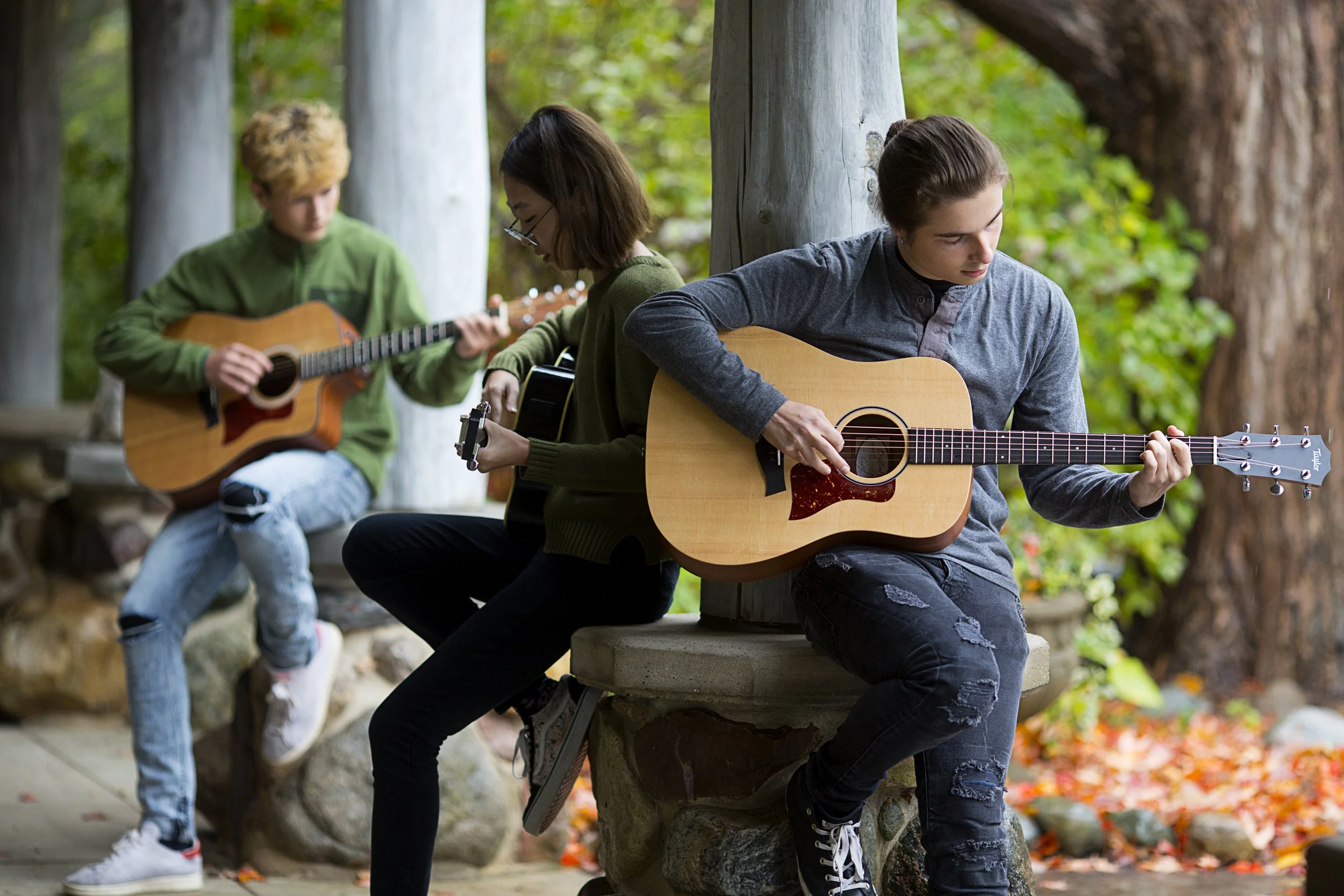
Music builds community, discipline, and joy—and supports cognitive development across the curriculum. Students perform in multiple concerts throughout the year.
“Even if singing isn’t your thing at first, choir quickly becomes a place where everyone feels connected. It’s a great place to get to know kids in other grades too.”
Physical Education & Health
Physical Education and Health classes promote physical well-being, resilience, and teamwork. Topics vary throughout the years, including movement, health and wellness, gardening and grounds work, and time to address class-specific needs as they arise.
At a Glance
• Movement, wellness, and teamwork
• Responsive, student-centered programming
Annual Trips
Experiential learning is a defining feature of the RSHS curriculum. In addition to many day-long field trips, our larger annual trips deepen academic learning while strengthening class community.
At a Glance
• One large trip per year - the entire grade participates
• Curriculum-connected experiences
• Strong community-building
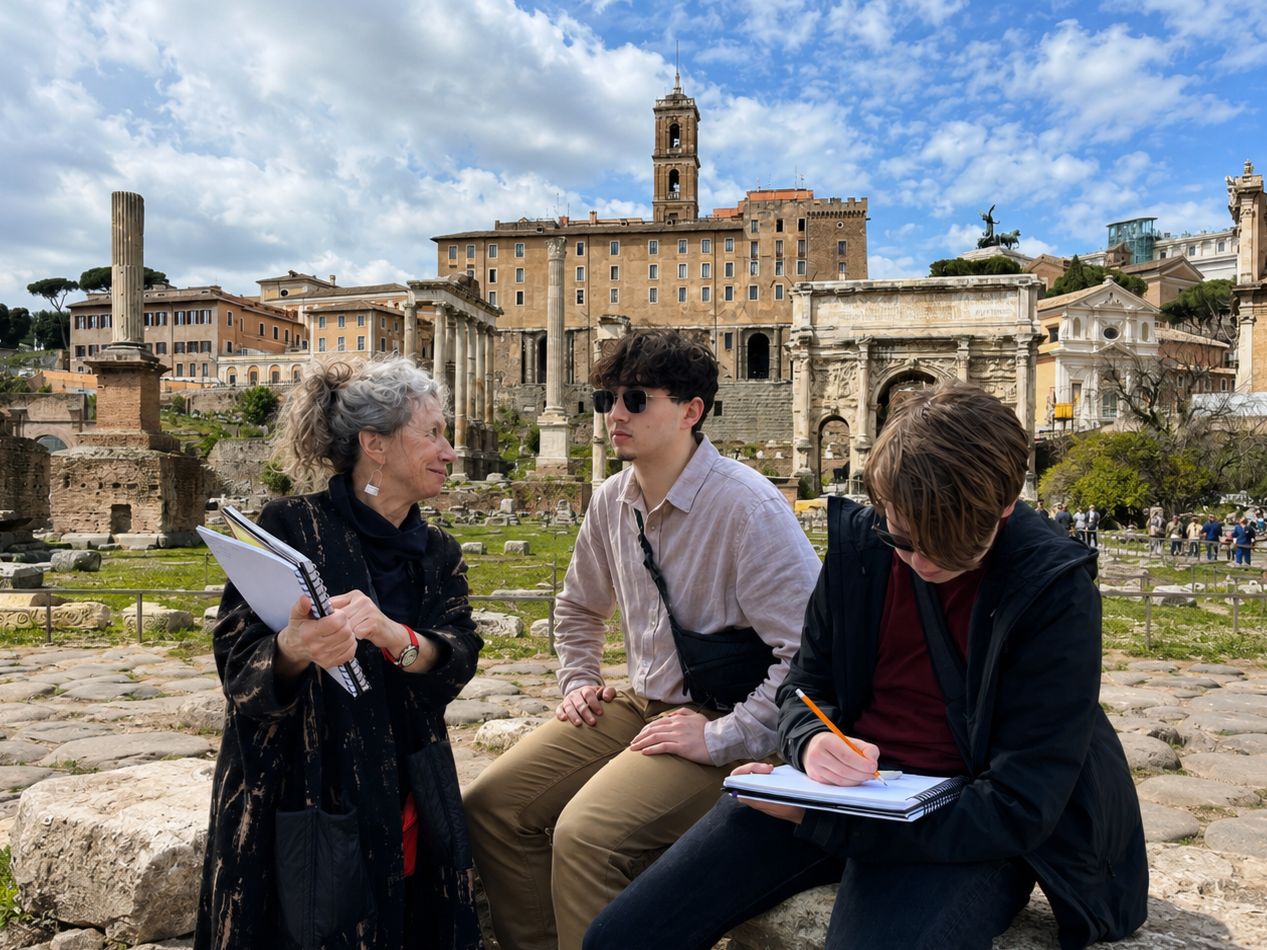
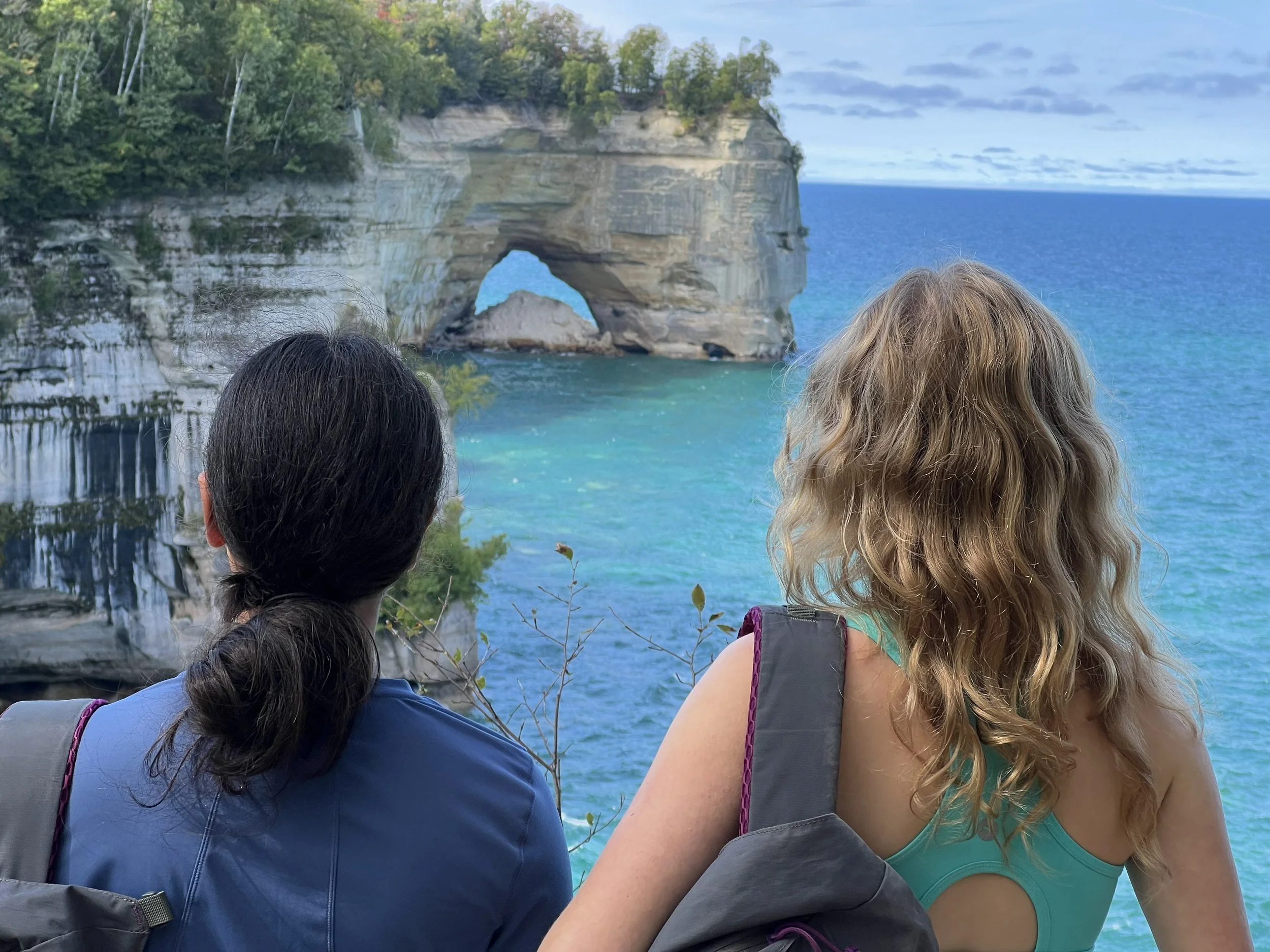
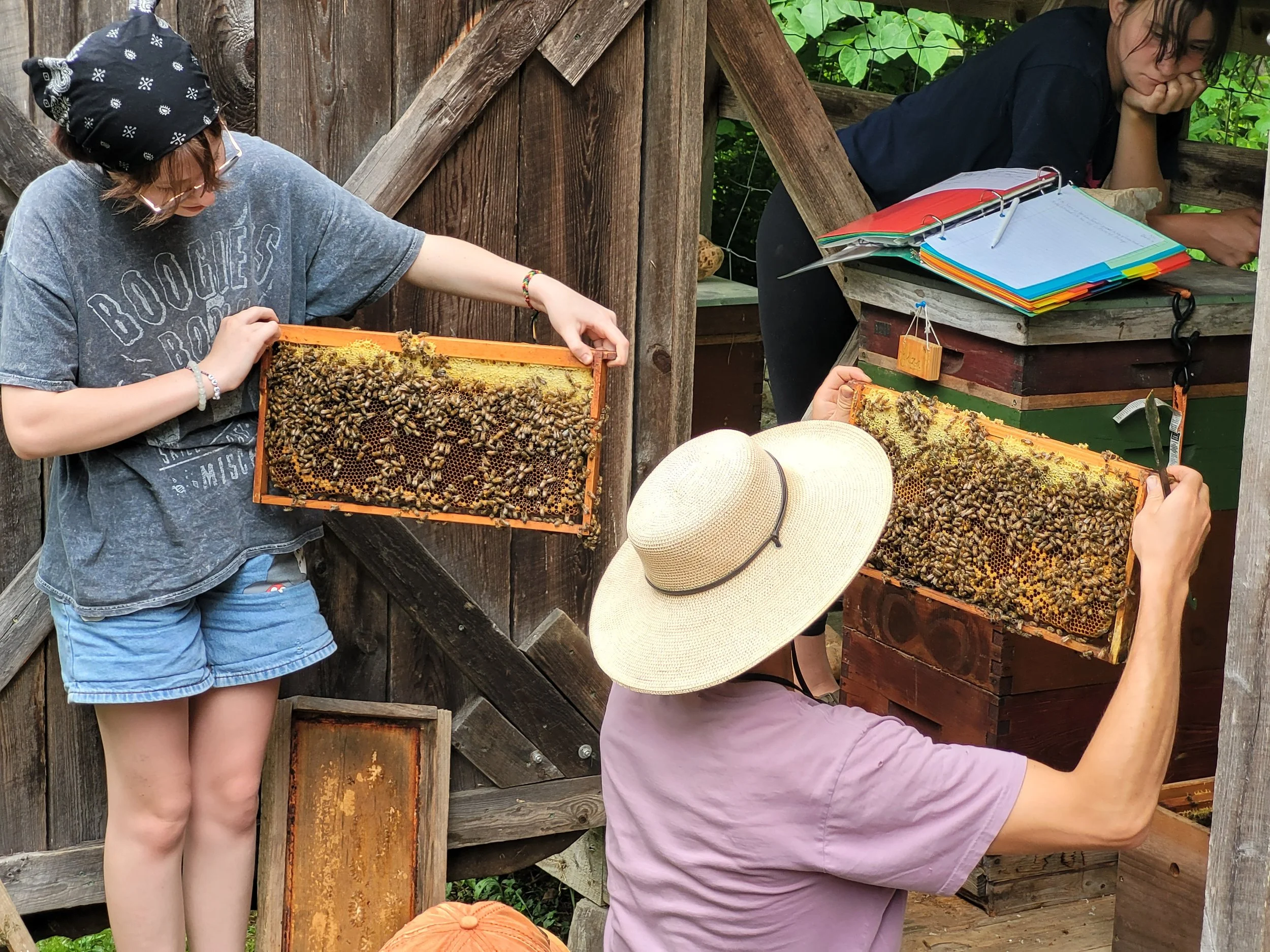
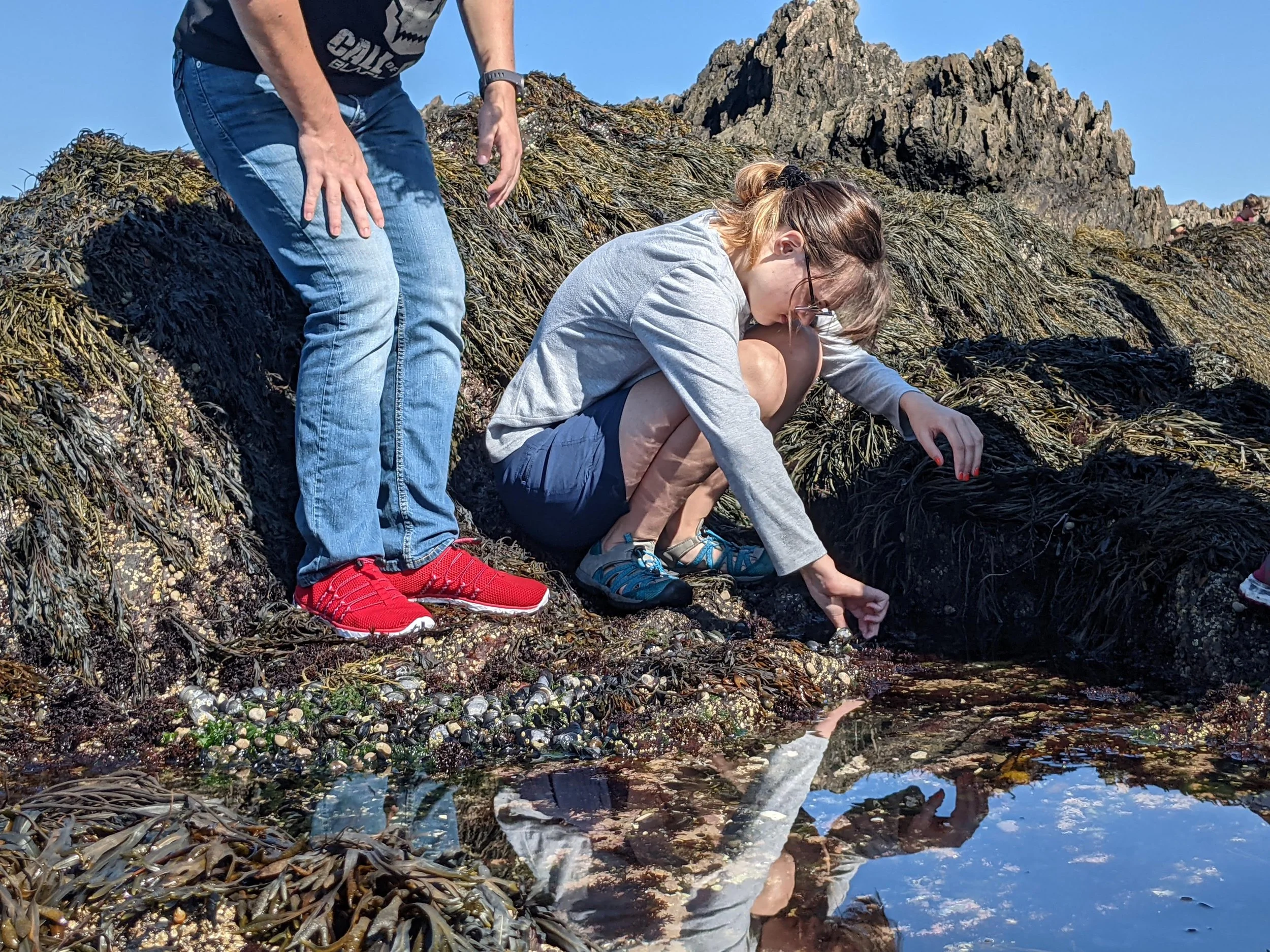
Trips from recent years include a geology backpacking trip, a beekeeping trip to Virginia, surveying expeditions, marine biology studies in Maine, and a senior trip to Italy focused on art, architecture, and history.
Eleventh-grade students also participate in a self-planned internship as part of the college counseling program.
“The trip transformed what we had been studying in class from something abstract into something real. I came back with a much deeper understanding.”
Curious to learn more about our program?