
Our Blog
The Power of Problem Solving
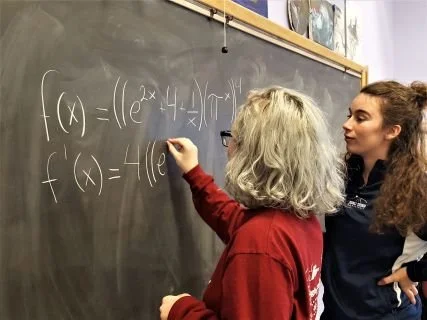
The ability to problem solve is one of the most important skills for students to learn, not only for their academic journey but for their future careers and lives in an ever-changing world. Waldorf Education encourages the development of problem-solving skills through an approach that emphasizes systems thinking and critical thinking, collaboration, creativity, and in-depth subject knowledge.
Waldorf Schools are Media Literacy Role Models
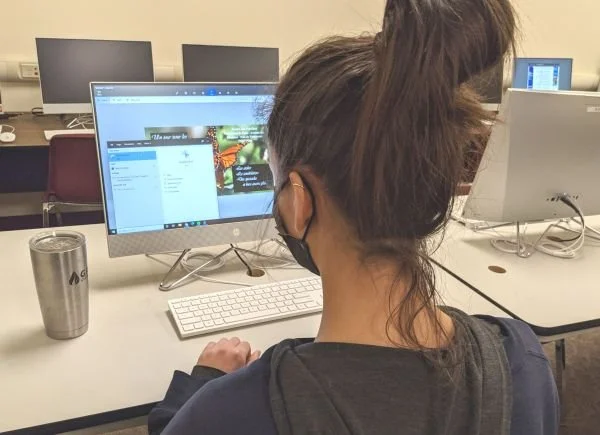
Waldorf education emphasizes thoughtful, intentional and developmentally appropriate technology use. We advocate for an experiential, relationship-based approach in early education, followed by a curriculum for older students that helps them understand tech as a tool, and engages them in conversations around digital ethics, privacy, media literacy, and balanced use of social media and technology.
How Outdoor Learning Affects Students
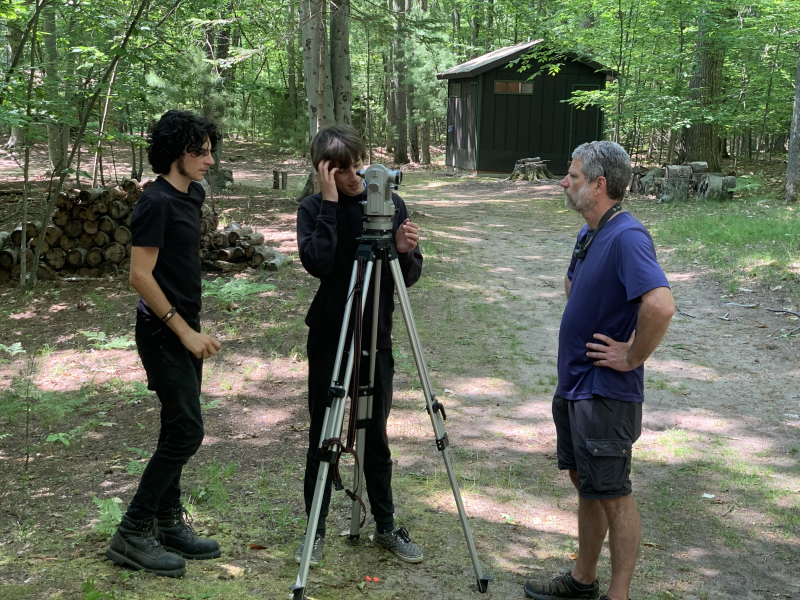
A recent study focusing on children aged 5 to 18 revealed that outdoor education and activities have a multitude of benefits for students. Not only did students exhibit higher levels of self-confidence, stronger friendships, and a greater sense of belonging, but academic performance in math, science, and language also saw an improvement, coupled with increased motivation to learn.
History Through Architecture
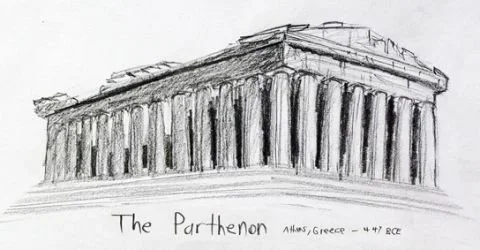
History through Architecture is a culminating course in the K-12 journey of Waldorf Education. It is a sweeping survey that traces the development of human consciousness over millennia from the earliest times to the present, including speculations about what the future may hold for our collective lives on Earth.

Adaptability Quotient: Educating for an Uncertain Future
With increasingly rapid changes in the nature of work, employers are interested not just in intelligence and social skills, but in an employee’s adaptability quotient–their ability to adjust to new challenges with flexibility, curiosity, courage, resilience, and problem-solving skills.
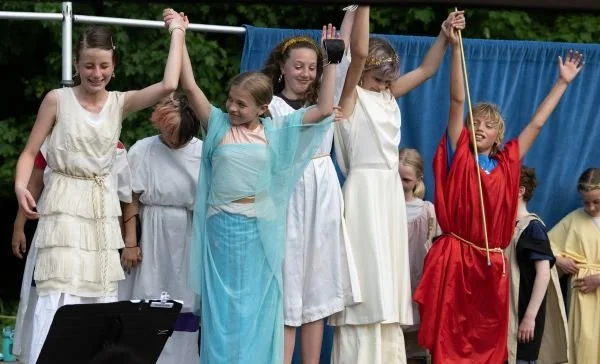
Theater Develops Creativity, Empathy and Confidence
The performing arts help children develop a range of beneficial life skills, such as quick thinking, problem solving, and building self confidence. Theater strengthens empathy by asking a child to embody what their character is feeling and experiencing, and putting on a play also requires students to work as a team.

Research Supports the Benefits of Arts Education
Research shows that students who engage in the arts at school perform better in math, reading, and writing, and have an enhanced social and emotional experience. Waldorf education integrates an array of arts into the curriculum to support academic growth, develop communication and collaboration skills, and give children a well-rounded, joyful educational journey!
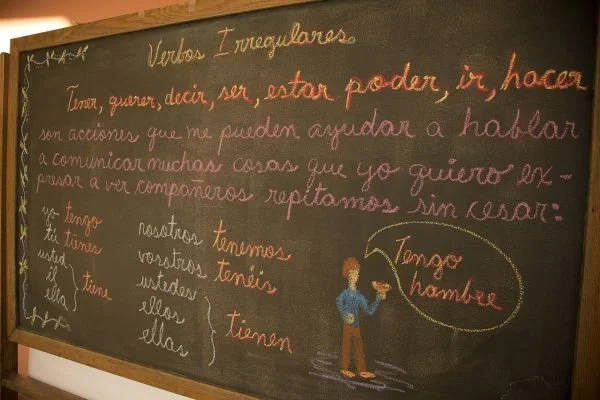
Cooking Up An Outstanding Language Program
The aim of our World Languages program is to not only help students learn to communicate in a language other than English, but also to help them become familiar with and feel comfortable in a different culture and way of life. Rather than offering just a taste of the language, students are invited to a banquet of listening and speaking, songs and stories, art, recitations, movement and games.
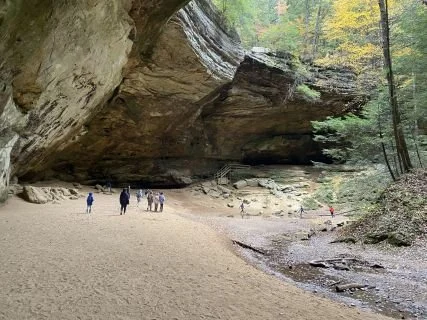
Yes! Field Trips Are Worth The Effort!
Research shows that field trips aren’t just fun and disruptive “extras”; these trips have strong academic and behavioral benefits. A recent study showed that students who went on multiple field trips performed better academically and were less likely to miss school or have behavioral issues than their peers.
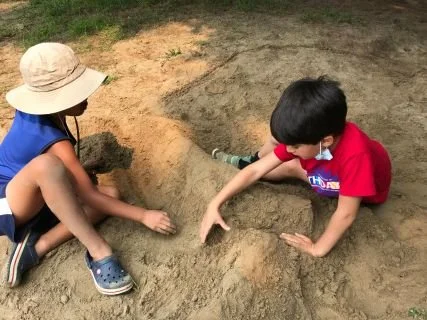
Time in Nature can Spark a Lifetime of Science Curiosity
Being outdoors helps children develop the curiosity that is the essence of science later in life. Time in nature helps students cultivate their independence, imagination and sense of wonder, while helping them feel less stressed and more confident in themselves. That’s one reason why outdoor education and play are core components of Waldorf education.
The Importance of Parent Education
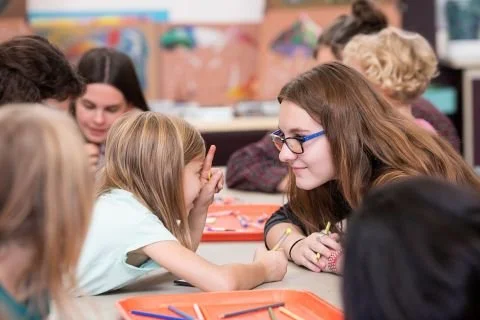
Raising children who will become happy, healthy, thriving adults is one of the most challenging and important roles anyone can have. At Rudolf Steiner School of Ann Arbor, we engage not only the student but their families as well. We believe in meaningful relationships, where our trained teachers work with families over multiple years to understand how to best support each child.
School Trips as a Rite of Passage
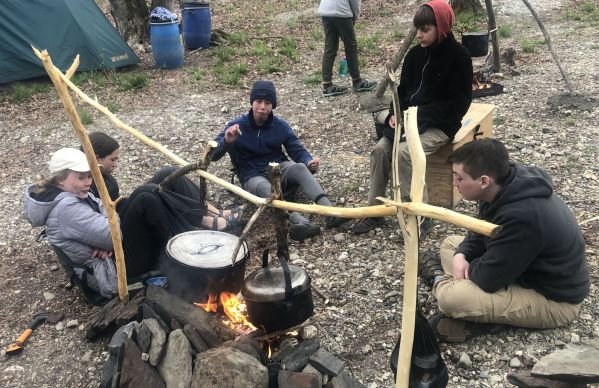
Our 8th grade class recently returned from its annual class trip, a 10-day wilderness adventure in New England. This 8th grade trip is a rite of passage for students, the culmination of progressively longer and more adventurous excursions undertaken by the class teachers and students over the years.

Weleda's Ties to Steiner
A long-time favorite in our school community and sold in our school store, Weleda products are on the cutting edge of regenerative farming and social responsibility, as well as being popular in the celebrity crowd. Here's a little history of the products, the mission of the company and its ties to Rudolf Steiner, founder of Waldorf education.
Standing on the Shoulders of Gnomes
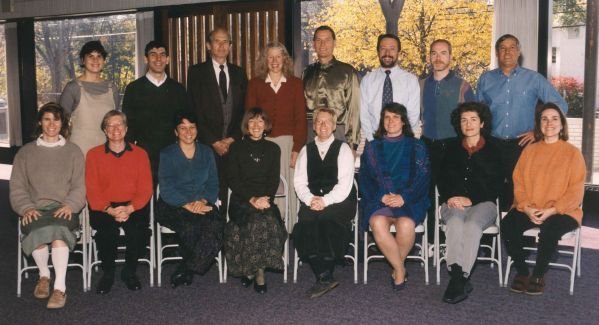
When we think of progress, many people refer to the “giants” who propel an organization forward. In reality, it’s all the “gnomes” who do the hard work that makes a community successful. This is certainly the case for Rudolf Steiner School of Ann Arbor.
Unplugged and Having Fun!
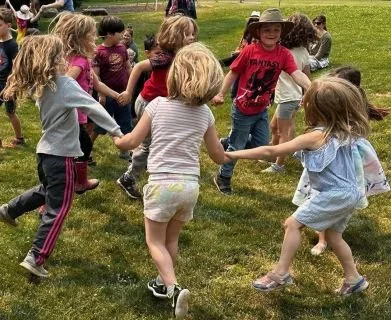
Take a minute to think of a joyful childhood memory when you were engaged in play. Perhaps from summer camp or somewhere else. Where were you? Who was there? What were you doing? Was a smartphone involved? OK, now fast forward to today. Do you see kids playing in the same way you did as a child? Playing more? Playing less? Do your kids play as freely as you did as a child, with the same amount of supervision?

International High School Students Find a Community at RSSAA
Motivated students and families from around the world look for immersive experiences at American high schools where they can learn English, absorb American culture, and prepare for post-secondary education at English-speaking institutions.
A Beautiful Experiment (Italy Part 2)
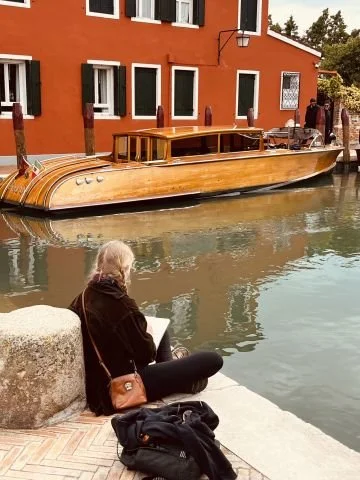
A beautiful experiment: 17 high school seniors, 5 teachers, and Venice, the floating city. Ms. Efimova, our high school art teacher, had the original idea, an “art trip…with sketchbooks.” After nearly a year of preparation, our plane left Detroit Metro Airport for Venice. It was March, 2001. Twenty trips later, the Italian Journey has become a cherished tradition for the seniors at Rudolf Steiner High School.
Our Return to Italy (Part 1)
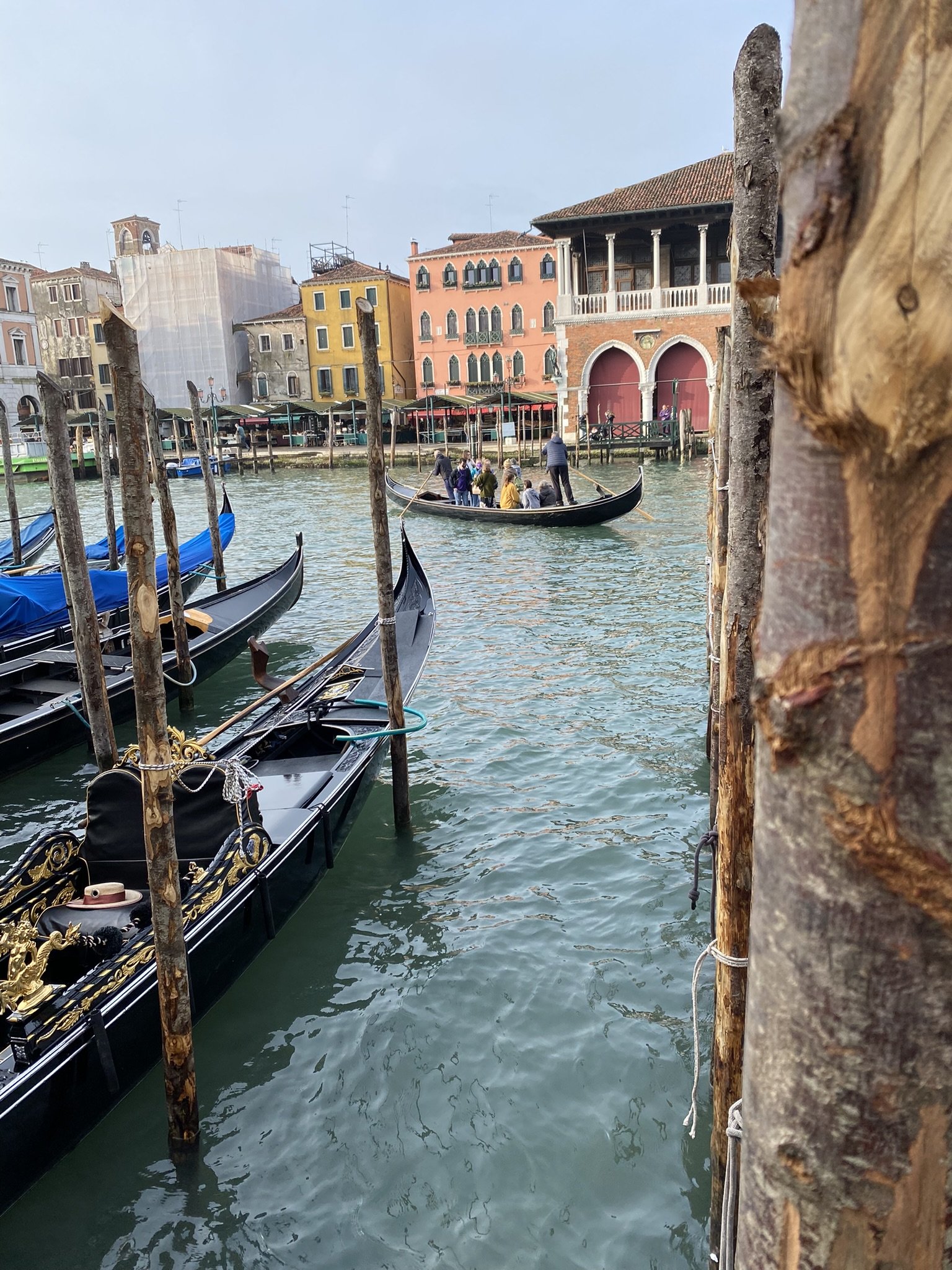
The 12th grade Italy trip has been a fixture at our high school since 2001. That's 20 years of incoming students looking forward to it before they ever set foot on our campus! Our high school Humanities and Art departments are in charge of this experience, which focuses on Art and Art History.
Arts, Advocacy & Recognition by the Library of Congress
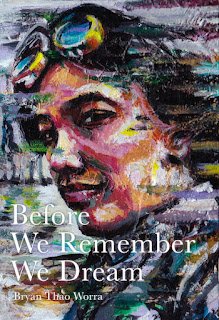
Working to rebuild community and identity in the aftermath of the Vietnam War. Bryan Thao Worra is a talented Laotian American writer, poet and community activist and has forged a path connecting experiences of refugees with the restorative aspects of writing.
More Than a Body: Capturing the Essence of Another Human
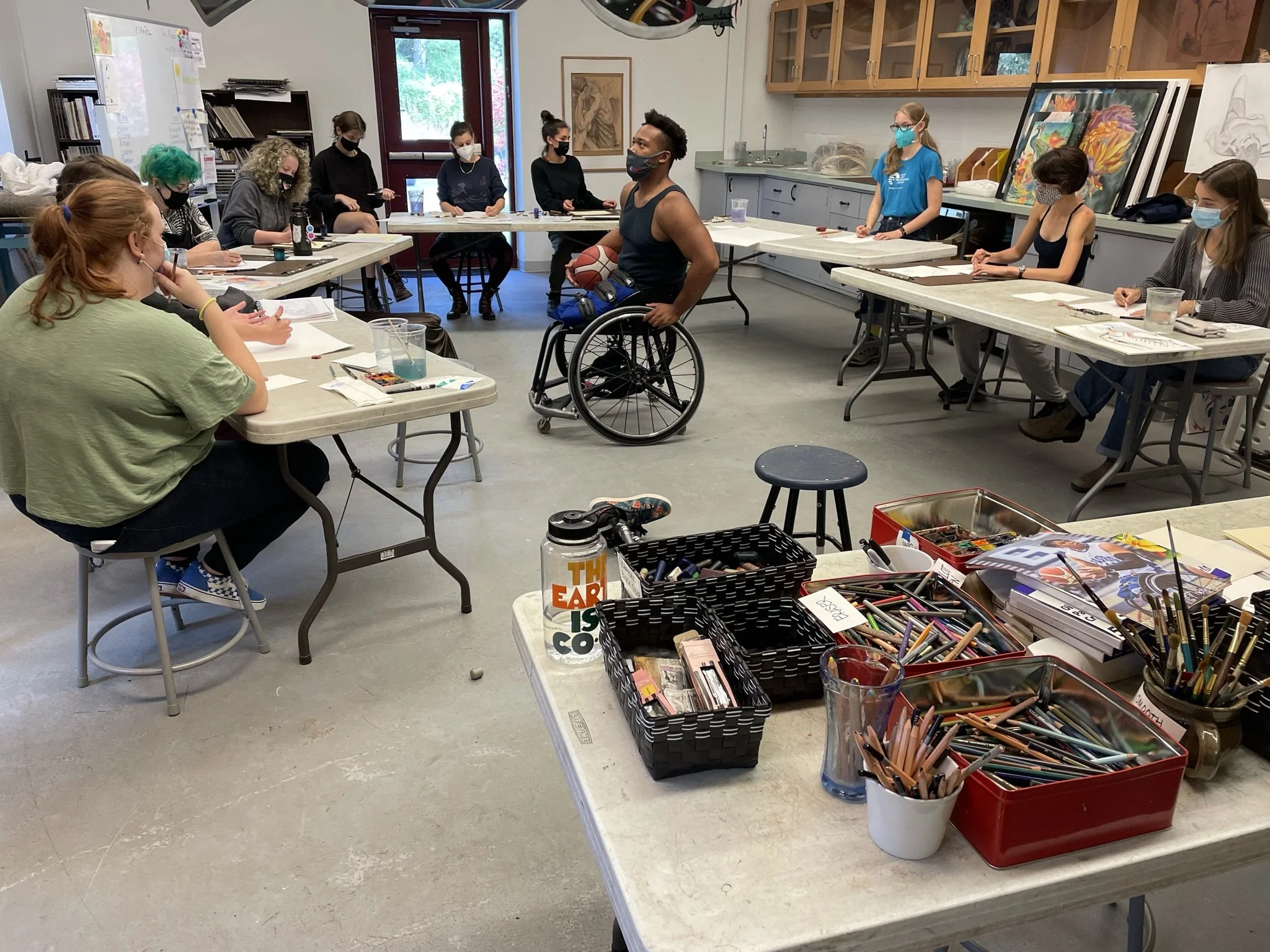
When Elizaveta McFall (HS Art faculty, parent & HS Alum ‘04) began teaching the HS figure-drawing class over four years ago, she began to re-think how to approach this classic method of representational art. Her past experiences in college-level figure drawing classes were steeped in a tradition that is hundreds, or perhaps thousands, of years old.